Mobile service across North-Central WV · See coverage area →
Open Today · 5:00AM – 10:00PM · (304) 328-5638
Home / Truck Jumpstart
Truck jump start in Morgantown, WV provides external starting power when a semi or commercial truck lacks enough available battery power to crank its diesel engine normally.
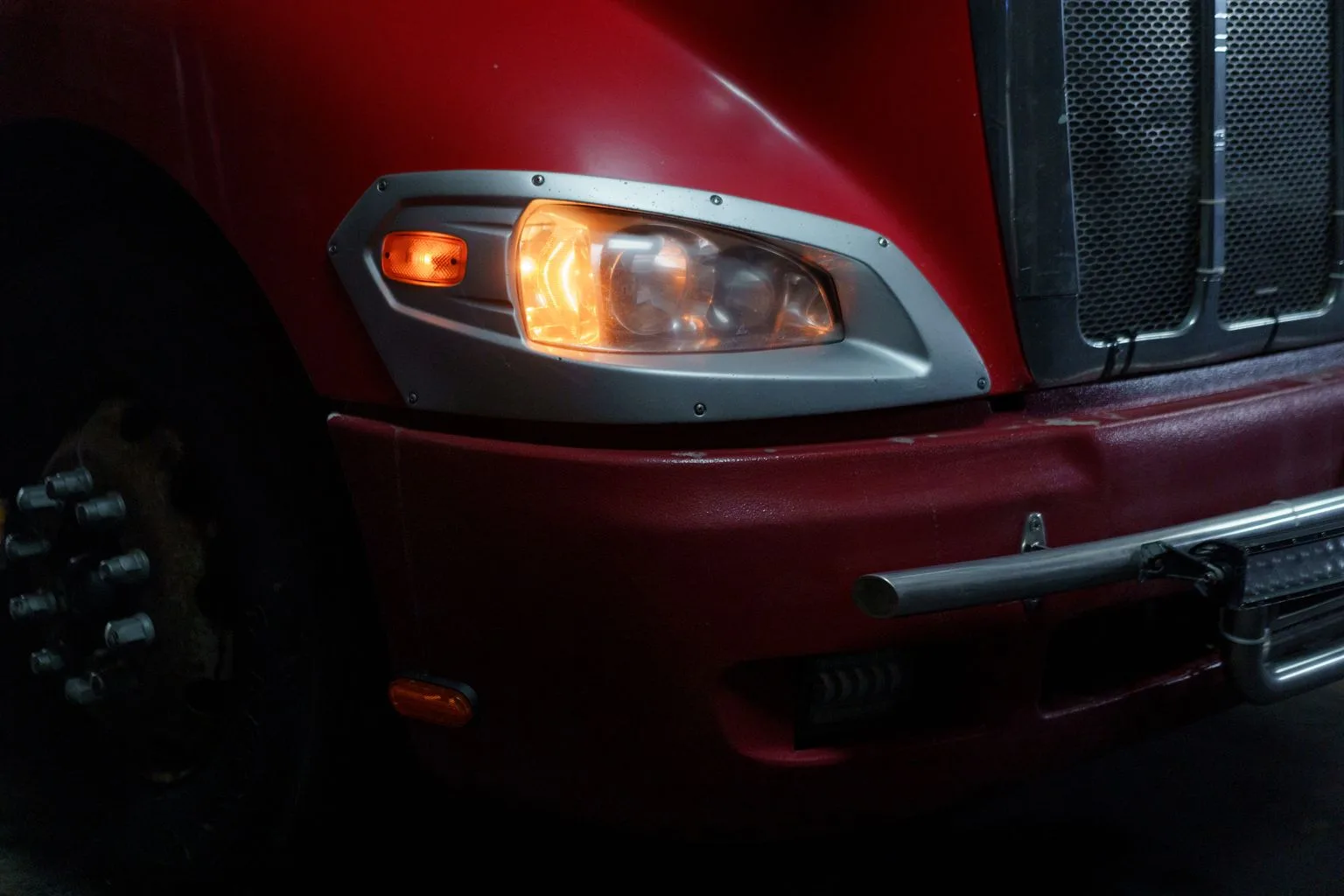
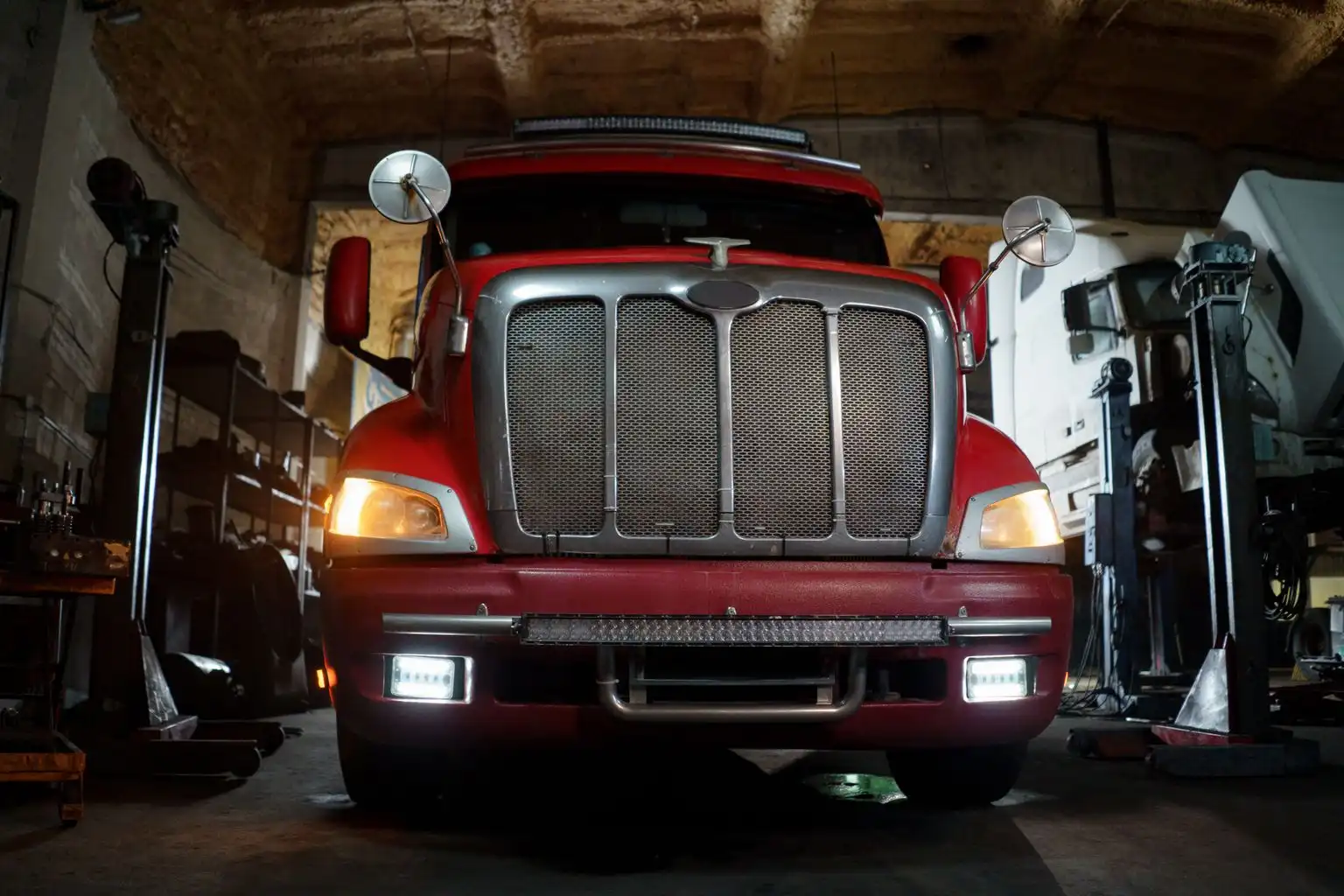
A commercial truck jumpstart service is most relevant when insufficient electrical power prevents the starter from turning the diesel engine normally. A truck may crank slowly, produce a click without turning, remain completely silent, or already crank at normal speed without starting. Those conditions do not all point toward the same roadside solution.
The starting symptom should therefore be identified before every no-start is treated as a dead battery. Battery-bank condition can be involved, but cable resistance, starter controls, starter components, fuel supply, or another mechanical problem can create similar complaints and require a different service path.
A heavy-duty battery jump start depends on more than seeing electrical voltage at the battery terminals. Commercial diesel starting systems require substantial current under load, and that power has to move from the battery bank through the main cables and control path before the starter motor can turn the engine.

Commercial trucks can use multiple starting batteries, and the bank must provide enough usable electrical energy to support normal diesel-engine cranking under load.
Battery power must travel through positive and ground cables without excessive resistance reducing the voltage and current available at the starter.
The starting command must reach the solenoid or control circuit correctly before battery power can be switched into the starter motor.
The starter converts electrical energy into mechanical cranking torque, so a powered circuit can still have a starter-specific failure preventing normal engine rotation.

Mobile truck battery service begins with what the truck actually does during a start attempt. Slow cranking, a click without rotation, complete silence, and normal cranking each provide different evidence about whether outside battery power is likely to solve the immediate problem.
The roadside decision should follow that evidence rather than assuming that every disabled truck needs a jump. Starting behavior can point toward temporary low battery power, a failed battery bank, a high-resistance connection, or another starting-system condition.
Determine whether the truck turns slowly, clicks without cranking, remains silent, or already rotates the engine at an apparently normal cranking speed.
Consider available battery power and whether the reported cranking behavior is consistent with an electrical supply problem at the starting system.
Use the starting symptom to decide whether outside power, battery service, or a broader electrical or mechanical repair path is appropriate.
Mountaineer Truck & Tire Repair treats a roadside jump as both an immediate starting attempt and useful evidence about the no-crank condition. What the truck does after appropriate external power is supplied can help distinguish limited battery power from a deeper starting-system problem.


External starting power restores normal engine rotation, showing that insufficient available electrical power contributed to the original roadside cranking condition.

Additional power does not restore normal cranking, making cable resistance, connections, starter performance, or another starting-system fault more relevant.

The truck remains unable to crank after outside power, shifting attention toward control circuits, cable connections, starter components, or another electrical problem.

The truck starts with external power but soon requires another jump, making the battery bank or surrounding charging and electrical system more important.
A truck jump start in Morgantown, WV is most useful when the reported roadside condition actually points toward insufficient cranking power rather than every possible diesel no-start. The process should begin with the symptom and use the response to added power to determine what follows.
Separate slow crank, click/no-crank, no-click/no-crank, and normal crank/no-start before treating the roadside problem as a low-battery event.
Provide external cranking power when insufficient available battery energy is consistent with the truck’s reported starting condition and current symptoms.
Use the truck’s response after added power to determine whether the event ends with a jump or requires another service.
A roadside truck jump start addresses insufficient starting power, but it does not repair every condition that prevents a commercial diesel engine from starting. If cranking does not improve or the truck repeatedly loses usable battery power, the remaining symptom should determine the next service. When battery failure is confirmed, replace a failed truck battery instead of relying on repeated outside power. For a deeper starting-system problem, get mobile truck repair. When lack of fuel is the confirmed issue, order emergency diesel. For an unclear breakdown, request roadside assistance. Mountaineer Truck & Tire Repair can then address the service needs within its verified roadside and mobile-repair capabilities.
External power may restore one start without proving that the truck’s own battery bank can continue supplying adequate cranking performance afterward.
Cable resistance, connection problems, solenoid faults, control-circuit issues, or starter failure can prevent normal cranking even when outside power is available.
If the diesel engine already turns at normal speed but does not fire, the immediate problem is no longer simply insufficient cranking power.
When battery power, fuel status, and starting behavior do not clearly identify the disabled-truck problem, broader roadside triage is more appropriate.
A truck jump start in Morgantown, WV is most relevant when insufficient battery power is preventing normal cranking. If appropriate outside power restores normal engine rotation, battery power is involved. If cranking remains slow or absent, cables, connections, starter controls, or the starter itself may require further diagnosis.
A click/no-crank condition means part of the starting system is responding, but the engine is not turning. Low battery power can cause this, but cable voltage loss, poor connections, control-circuit problems, or starter condition can produce similar symptoms. The clicking sound alone does not confirm a failed battery.
Yes. Battery voltage while the starter is disengaged does not fully show how the battery performs under heavy cranking load. A battery can display measurable voltage yet lack enough usable starting capacity to turn a diesel engine normally, which is why cranking performance matters alongside the resting electrical reading.
Repeated jumpstarts can point toward a weak or failed battery bank, a charging concern, excessive electrical draw, or another starting-system issue. An emergency battery jump service can restore temporary cranking power, but it does not explain why the truck repeatedly loses enough battery energy to prevent the next start.
Usually not when the engine is already turning at normal cranking speed. A diesel truck jump start addresses available electrical starting power. If cranking is normal but the engine does not fire, fuel delivery, engine controls, or another mechanical condition may be responsible for the no-start instead.
Share the truck’s location, whether the engine cranks slowly, clicks, stays silent, or turns normally, and whether the problem has happened before. Those details help determine whether roadside starting power matches the current condition. You can view service areas for coverage information before requesting roadside starting help.
Restore cranking power when low available battery energy is preventing the commercial diesel engine from turning normally.