Mobile service across North-Central WV · See coverage area →
Open Today · 5:00AM – 10:00PM · (304) 328-5638
Home / ABS Diagnostic & Repair
Truck ABS repair in Morgantown, WV addresses anti-lock warning lamps, wheel-speed signal faults, wiring concerns, trailer ABS problems, and other electronic brake-system issues.

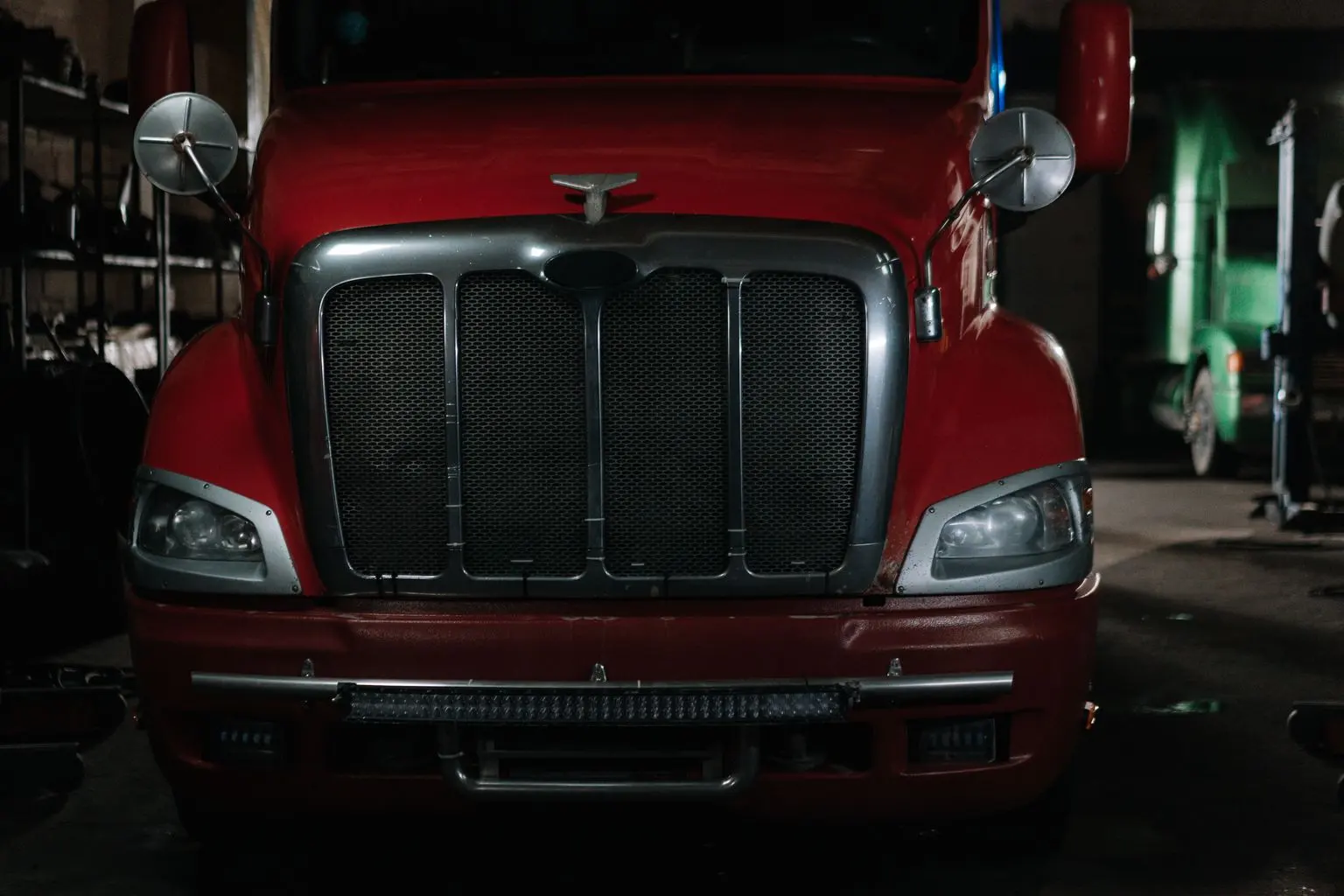
Commercial truck ABS diagnostics should begin with the warning behavior rather than a guess about which component failed. An ABS lamp that stays on, fails its normal self-check, or appears while the vehicle is moving can indicate a stored or active fault, but the lamp alone does not prove that a wheel-speed sensor needs replacement.
A tractor and trailer can also report separate anti-lock problems. The warning source, when the lamp appears, and whether the issue affects the power unit or trailer all help establish the correct diagnostic path before parts are replaced.
ABS sensor diagnosis should follow the complete signal path from the rotating wheel reference to the controller. A usable wheel-speed signal depends on the sensor, the tone ring or exciter reference, the wiring and connectors, and the electronic control unit receiving the information correctly.

The sensor detects wheel-speed information used by the anti-lock system to monitor wheel behavior and recognize rapid deceleration or potential lockup.
The sensor needs a consistent rotating reference. Corrosion, damaged teeth, irregular positioning, or runout can interfere with the wheel-speed signal.
Sensor information must travel through wiring and connectors without opens, shorts, corrosion, or intermittent contact before reaching the controller.
The electronic control unit receives wheel-speed inputs, monitors system operation, and records or reports faults according to the truck or trailer ABS configuration.
Mountaineer Truck & Tire Repair approaches mobile truck ABS diagnostics by first identifying which unit is reporting the warning and what evidence the system provides. Tractor-trailer ABS repair should not begin by assuming the component named closest to the fault code is automatically the failed part.
Available fault information, lamp behavior, wheel-end condition, and circuit evidence can help separate a sensor issue from a tone ring, wiring, connector, power, or controller problem before the repair direction is chosen.
Determine whether the warning belongs to the tractor, trailer, or towed-unit indication before following the electronic fault through the ABS system.
Use warning behavior and available fault information to identify which circuit, wheel end, or system area deserves further attention.
Trace the relevant wheel-speed, wiring, power, or controller path until the evidence points toward the actual fault area.
ABS truck repair in Morgantown, WV should follow the fault evidence through the complete signal path rather than replacing the component named closest to a stored fault. Sensor-related codes can be produced by physical or electrical conditions elsewhere at the same wheel end.

A wheel-specific fault can involve sensor output or sensor position without automatically proving that the wheel-speed sensor itself requires replacement.

A damaged, corroded, irregular, or incorrectly positioned tone ring can create inconsistent wheel-speed information at the affected wheel end.

Open circuits, shorts, poor connectors, or intermittent wiring can prevent a valid wheel-speed signal from reaching the ABS controller consistently.
Bearing play, hub runout, or related movement can change the sensor-to-tone-ring relationship and produce an electronic fault without sensor failure.
Heavy-duty ABS service should move from the warning toward the specific electronic or wheel-end condition responsible. Commercial ABS fault repair becomes more accurate when the system area is confirmed before a sensor, controller, or related part is treated as failed. Mountaineer Truck & Tire Repair uses this sequence to keep the diagnosis tied to evidence instead of replacing ABS parts from a warning alone.

Determine which ABS lamp is active, when it appears, and whether the warning belongs to the tractor or trailer system.
Connect available fault information with the related wheel-speed, wiring, power, connector, or electronic system area.
Confirm the physical or electrical condition responsible before defining the component repair or broader diagnostic service required.
ABS truck repair in Morgantown, WV should separate electronic anti-lock faults from foundation-brake problems before either system is treated as the source. A wheel-speed fault can come from wiring, tone-ring condition, hub movement, or another wheel-end issue, while mechanical brake stroke and friction problems belong to separate service paths. For a broader mechanical braking concern, see truck brake repair. When applied brake stroke is the issue, adjust air brakes. If the electrical or wheel-end problem extends beyond ABS-specific service, get mobile truck repair for the broader mechanical or electrical path.

A functional sensor can still lose communication through damaged wiring, corrosion, an open circuit, or a poor electrical connection elsewhere in the path.
Tone-ring damage, bearing movement, or hub runout can disturb wheel-speed information even when the electronic sensor itself remains serviceable.
Foundation-brake problems can affect braking without being an electronic ABS fault, so mechanical service-brake concerns need their own repair path.
Excessive pushrod stroke belongs to the mechanical adjustment system and is not corrected through wheel-speed sensor or ABS electronic diagnosis.
A semi truck ABS repair concern can begin when the warning lamp remains illuminated after the normal self-check or appears while the truck is moving. The lamp confirms that the system has detected a malfunction, but it does not identify the failed component without further diagnosis of the relevant signal or circuit.
No. A sensor-related fault can also involve sensor gap, tone-ring damage, corrosion, wiring, connectors, wheel-bearing movement, or hub runout. The complete wheel-speed signal path should be considered before the sensor itself is treated as the confirmed failed part.
Trailer ABS repair follows a separate system because the tractor and trailer have their own anti-lock components and warning indications. A trailer-only fault can involve its wheel-speed sensors, tone rings, wiring, power, connectors, or controller while the tractor ABS remains normal.
Yes. Applicable ABS malfunction indicators are part of commercial brake inspection requirements, and abnormal lamp behavior can create an inspection concern. When the issue is compliance-related rather than only diagnostic, schedule a brake inspection.
An ABS warning does not automatically mean the foundation service brakes are completely inoperative. The anti-lock system and normal mechanical braking system perform different functions. However, the ABS fault still needs attention, and a separate mechanical brake problem may also exist independently of the electronic warning.
Share whether the warning is on the tractor or trailer, when the lamp appears, any fault information available, and whether recent wheel-end work was performed. Those details help narrow the roadside ABS diagnostic path. If the truck is disabled and the problem extends beyond the anti-lock warning, request roadside help.

Trace the ABS warning through the wheel-speed, wiring, and electronic fault path before replacing components.