Mobile service across North-Central WV · See coverage area →
Open Today · 5:00AM – 10:00PM · (304) 328-5638
Home / Emergency Diesel Fuel Delivery
Emergency diesel fuel delivery in Morgantown, WV restores usable fuel for stranded commercial trucks and helps determine whether refueling alone can restore engine operation.
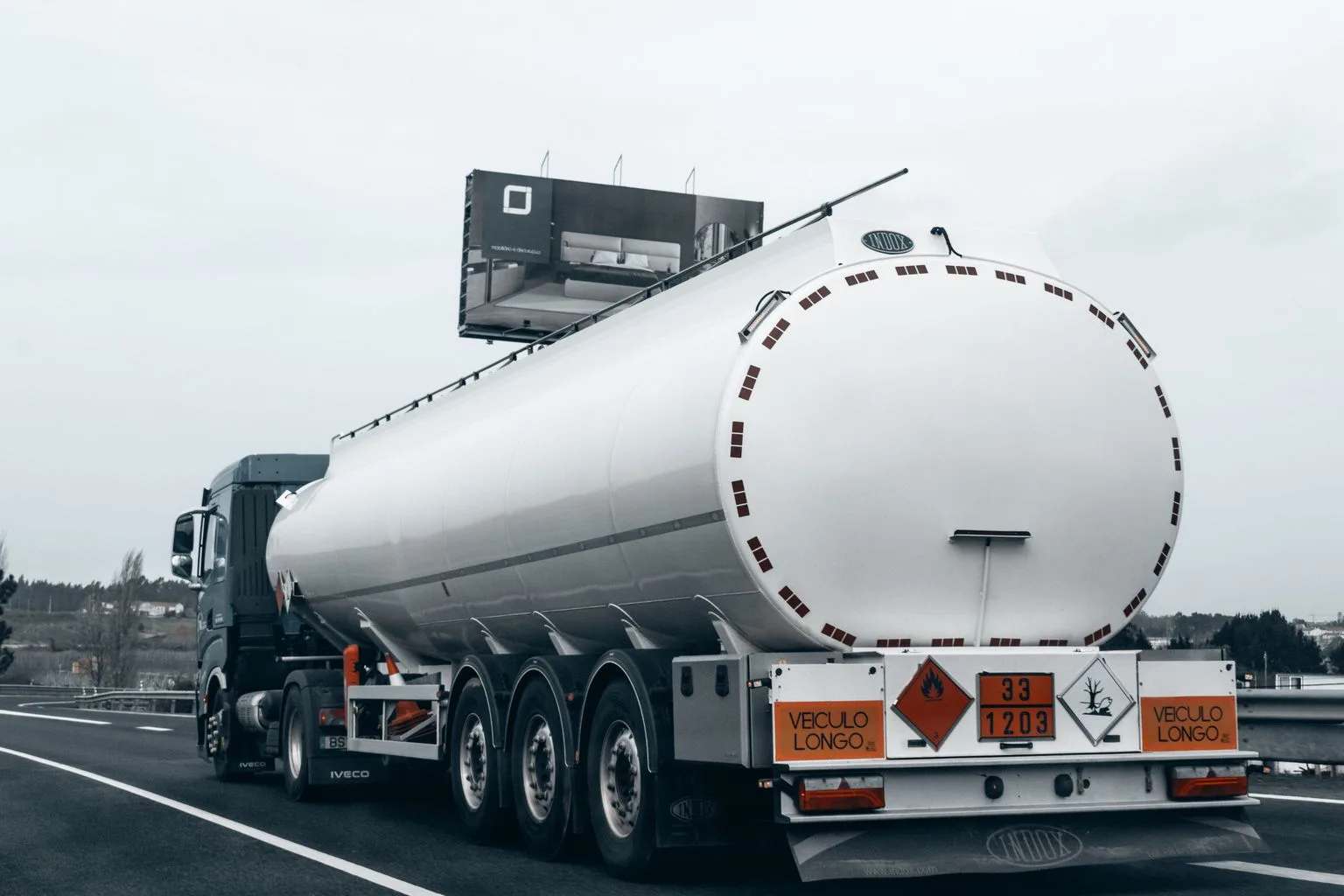
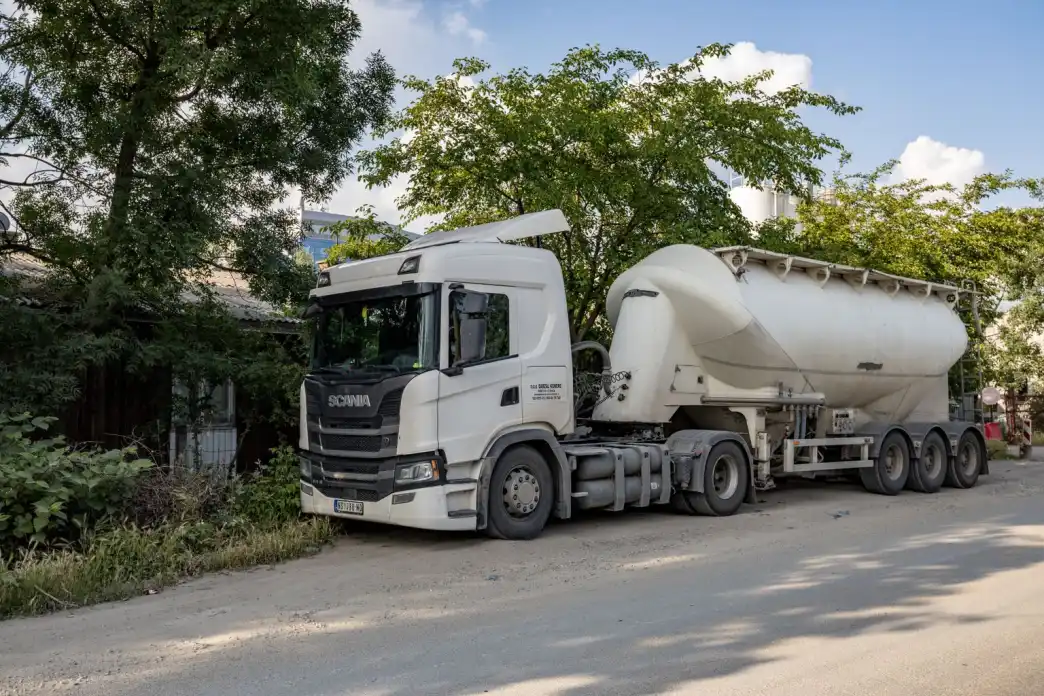
Truck fuel delivery is appropriate when a commercial vehicle has exhausted its usable diesel supply and can no longer keep the engine running. The immediate need is straightforward: restore enough fuel for the tank pickup and fuel-supply system to receive diesel again.
Commercial truck diesel delivery does not guarantee that every truck will restart immediately after refueling. If the engine ran completely dry, air may have entered the supply side of the system, or repeated restart attempts may have introduced a separate battery or starting concern.
Adding diesel to the tank restores fuel quantity, but the engine still depends on a complete supply path. Fuel has to reach the pickup, move through the low-pressure side, pass through the relevant filtration and lines, and arrive at the engine under conditions that allow the diesel system to operate correctly. Emergency diesel fuel delivery in Morgantown, WV restores fuel to the truck, but the engine’s response afterward determines whether roadside refueling has fully resolved the fuel-starvation event.
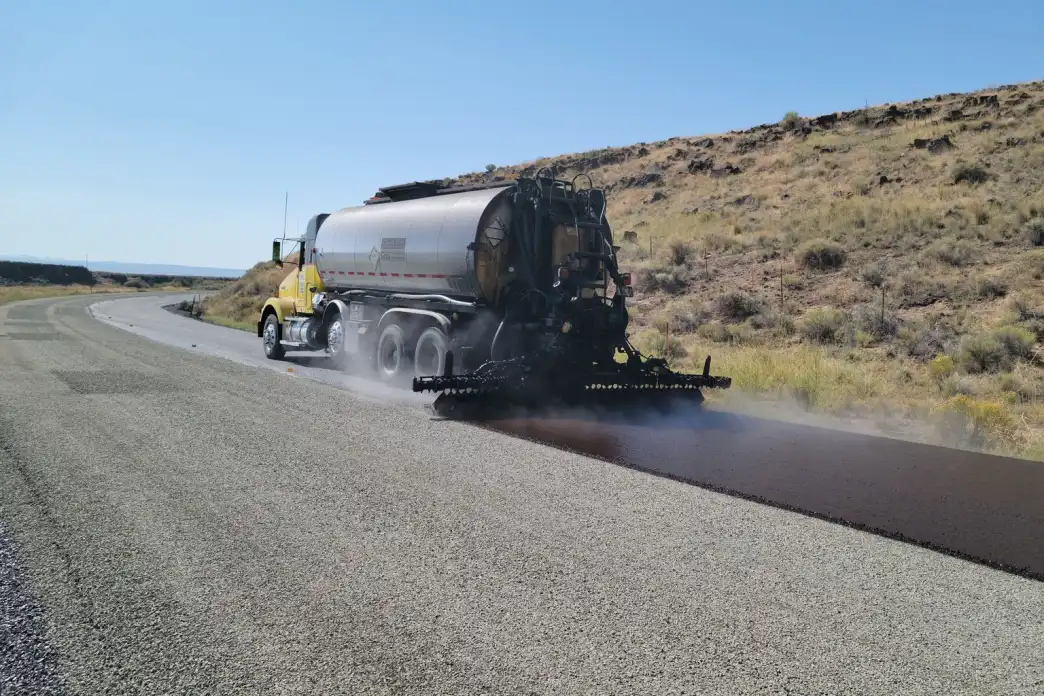
Diesel must reach the usable pickup area inside the tank before the truck’s supply system can begin moving fuel toward the engine.
The supply side carries diesel toward the engine, and running the system dry can allow air into portions of that fuel path.
Fuel must move through filters and supply lines without air, restriction, contamination, or another condition preventing consistent delivery to the engine.
Once diesel reaches the engine, the applicable fuel system must establish the conditions required for starting and continued engine operation.
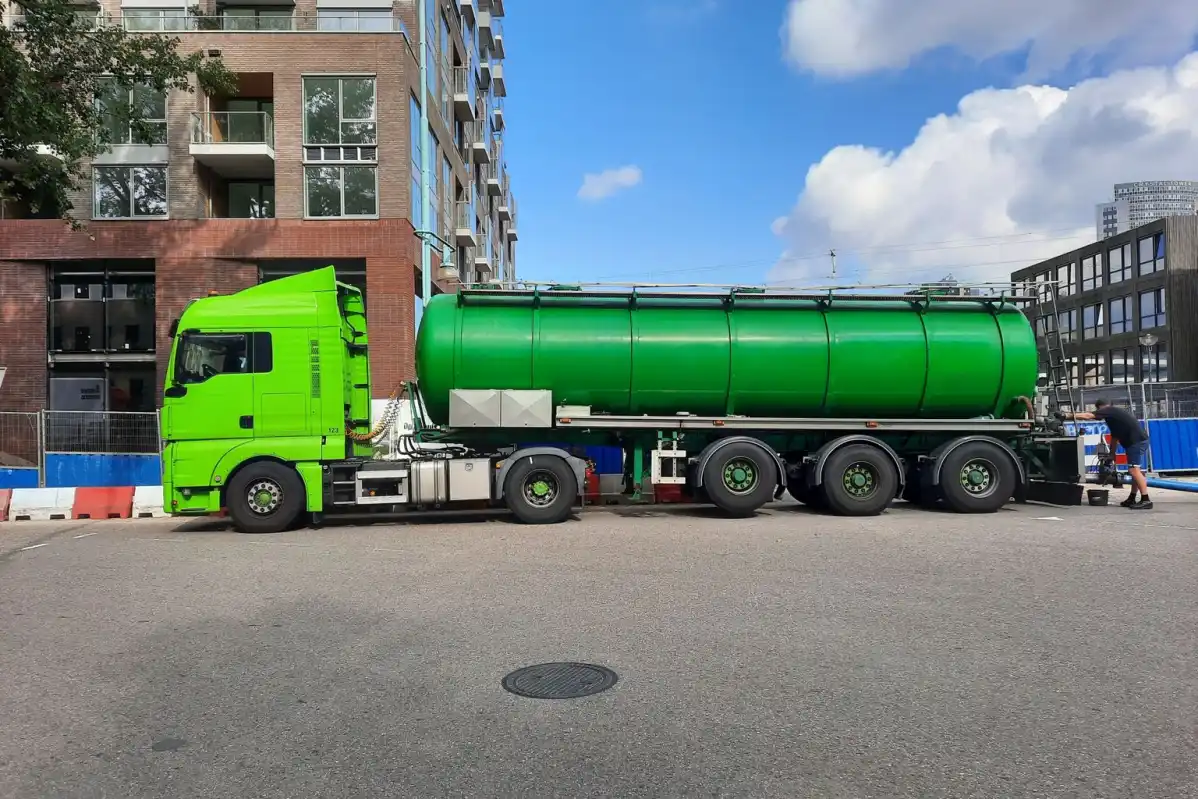
Mountaineer Truck & Tire Repair approaches mobile diesel delivery by first confirming that the roadside problem actually involves a diesel shortage. A low DEF warning, weak battery, normal fuel level, or unrelated no-start belongs to a different service path and should not be treated as an out-of-fuel event.
Truck location and fuel-tank information also matter. Knowing the roadway, nearby exit or landmark, truck configuration, accessible fill point, and whether the engine ran completely dry helps clarify the roadside refueling situation before service begins.
Establish that diesel shortage is the reported problem rather than low DEF, insufficient cranking power, or another unidentified no-start condition.
Use roadway, exit, facility, landmark, or other practical location information to establish where the commercial vehicle requires roadside service.
Consider the accessible fill point, known fuel level, tank arrangement, and vehicle configuration when preparing for roadside refueling.
An out-of-fuel truck service should account for what happened before the engine stopped and what occurs after diesel is restored. A simple low-fuel event differs from a truck that consumed its remaining usable supply, introduced air into the system, or still refuses to start after refueling.
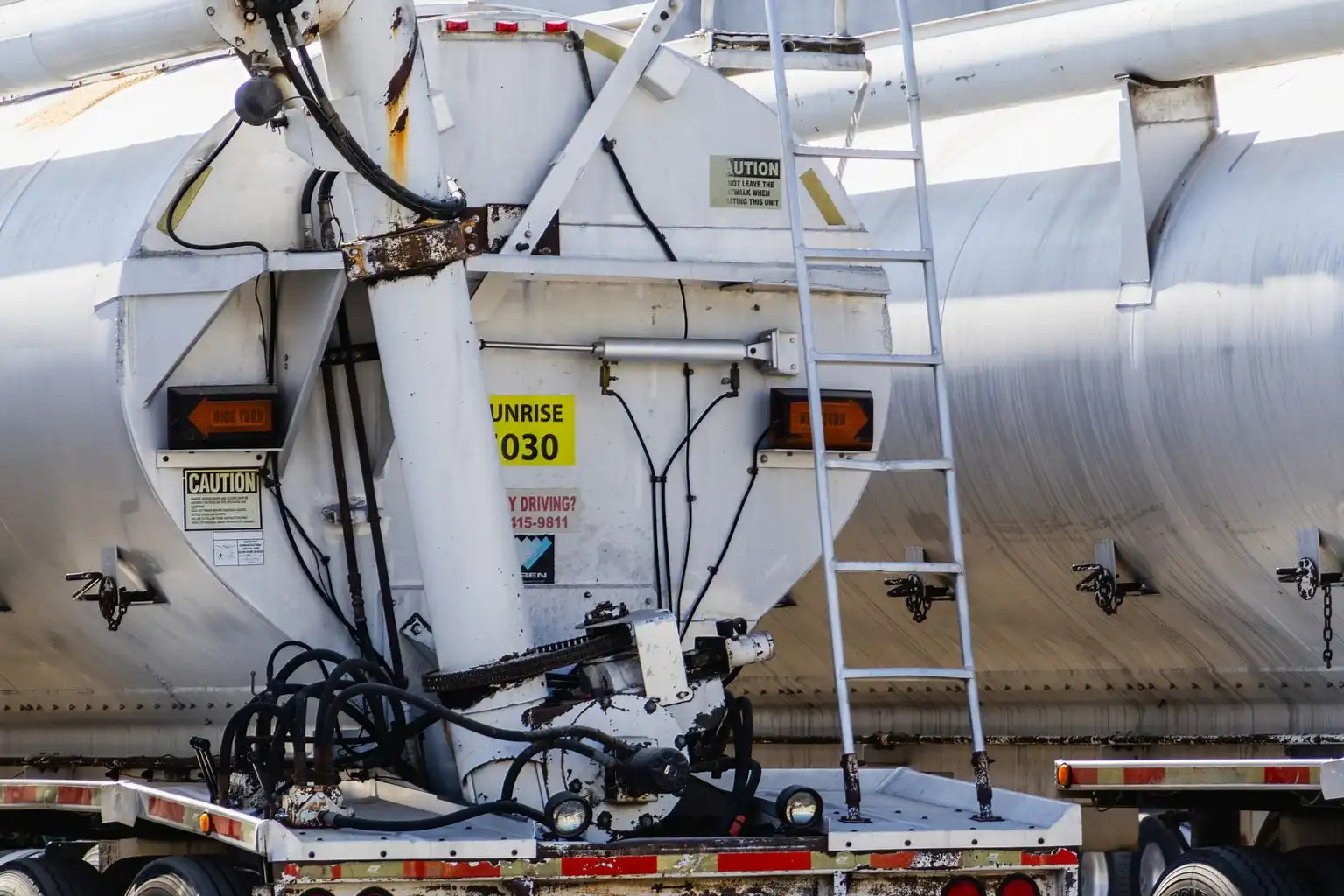
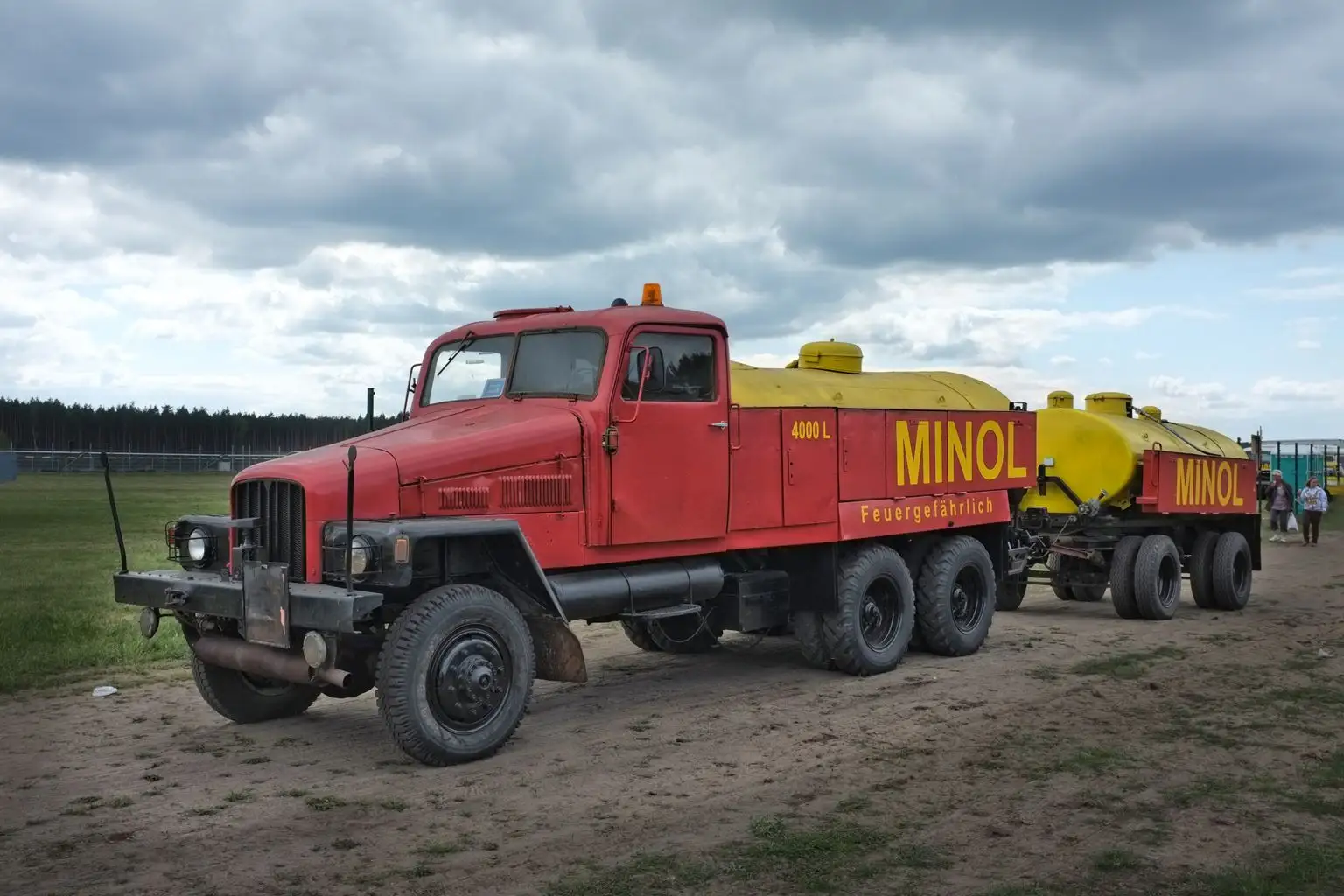
The truck has a confirmed fuel shortage, no separate starting problem is apparent, and roadside refueling is the immediate recovery need.
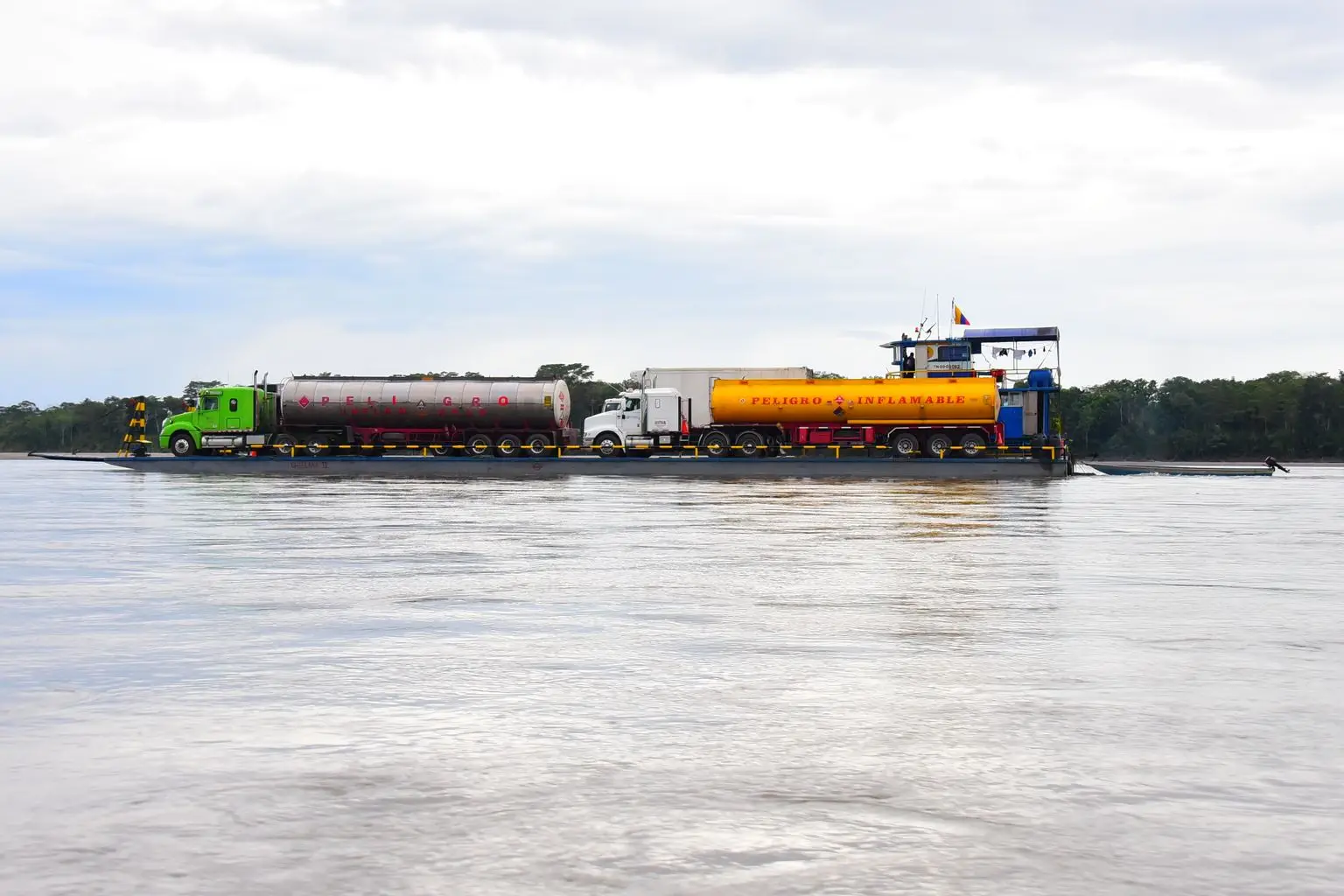
Dual- or multi-tank arrangements can change how reported fuel level and usable fuel supply should be interpreted during the roadside call.
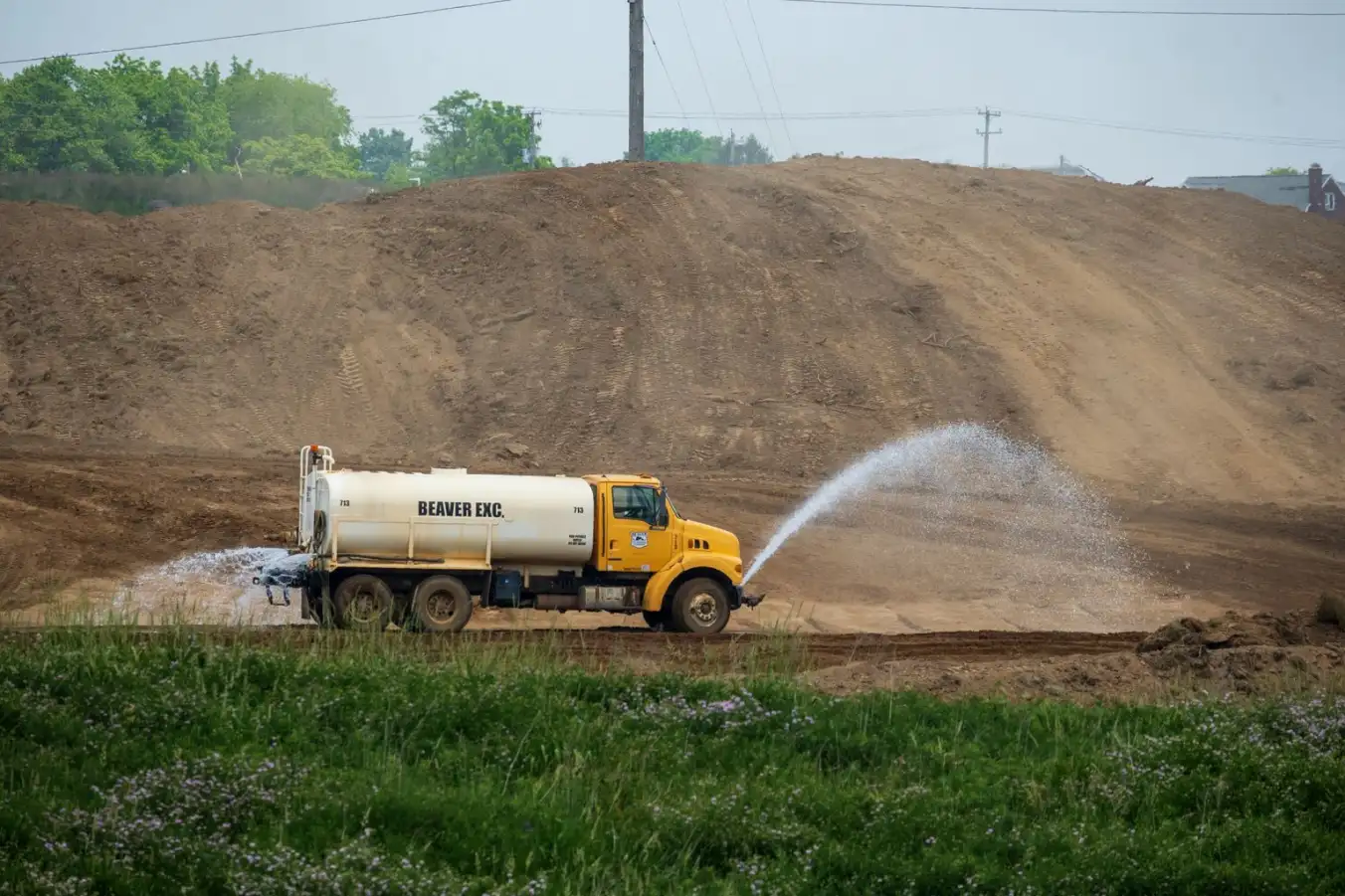
When the engine consumes the remaining usable diesel, air can enter portions of the fuel supply and make restarting more complicated.
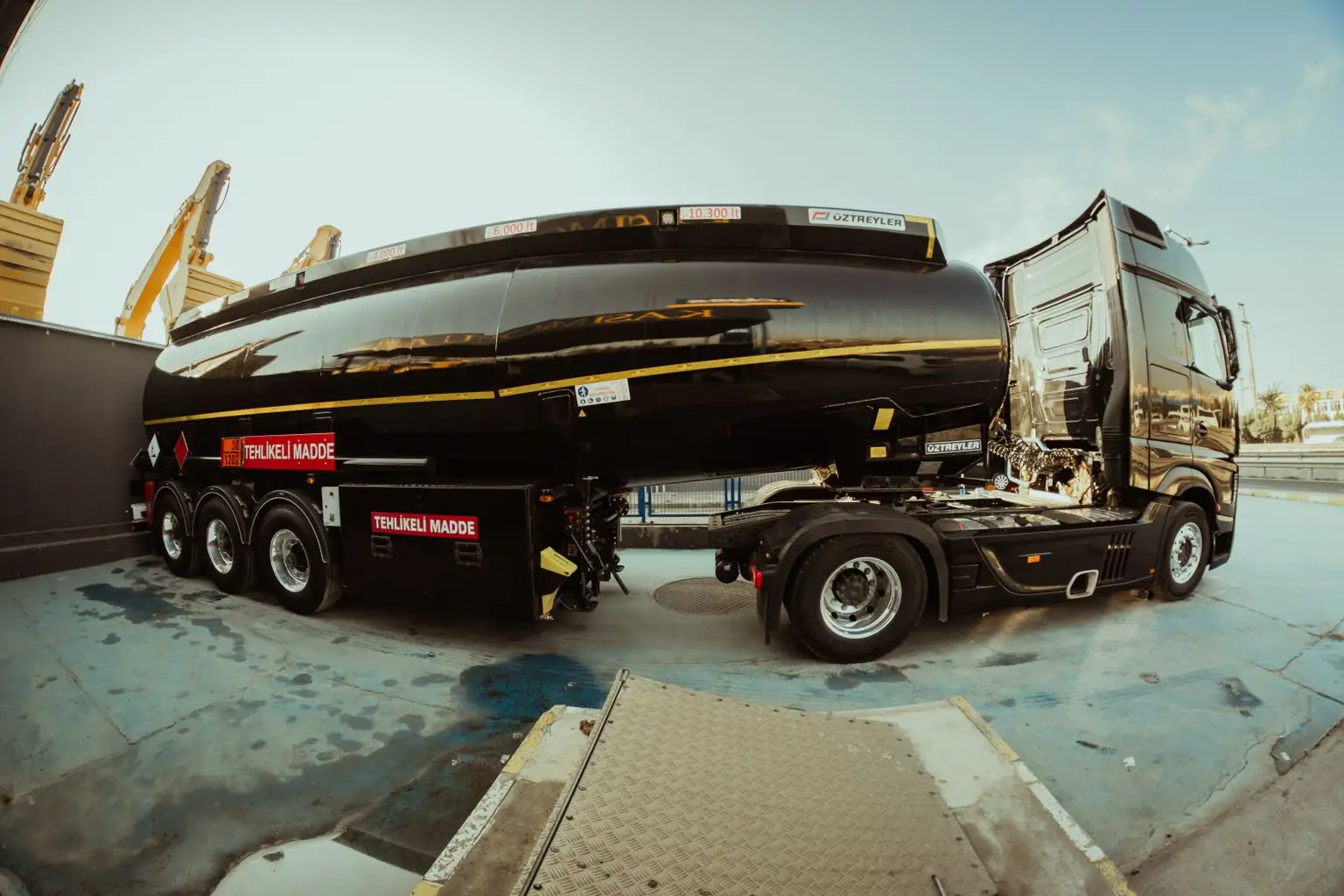
If diesel is available again but the engine still will not start, the problem has moved beyond a straightforward roadside refueling event.
Roadside diesel delivery should begin with location and fuel information, not with assumptions about why the truck stopped. Semi-truck fuel delivery then restores usable diesel, while the engine’s response afterward determines whether the roadside fuel service has completed the recovery.
Establish where the truck is located, that diesel fuel is actually required, and the practical information needed for roadside service.
Provide commercial diesel to restore usable fuel quantity according to the truck’s accessible tank arrangement and current roadside situation.
Determine whether the engine resumes operation after refueling or whether another fuel-system, electrical, or mechanical service path remains necessary.
Roadside refueling solves a shortage of diesel, but it does not correct every condition that can follow an out-of-fuel event. Running dry can introduce air into the fuel system, repeated starting attempts can reduce battery power, and an unrelated fuel-system or engine fault can remain after diesel is restored. When cranking power has become the problem, get a truck jumpstart. For a broader mechanical or fuel-system problem, use mobile truck repair. When the cause remains uncertain, request roadside assistance.

A run-dry condition can allow air into the fuel supply, and some engine configurations require an appropriate priming procedure before normal starting returns.
Repeated start attempts or an existing battery condition can leave insufficient electrical power to crank the engine after fuel has been delivered.
Restriction, filtration problems, supply faults, pump concerns, electrical issues, or another engine condition can prevent restarting even with diesel available.
If the vehicle was not actually disabled by fuel starvation, additional roadside diagnosis may be needed to determine why the truck stopped.
Not always. If the truck simply ran below its usable fuel level, refueling may restore operation. If the engine ran completely dry, air may have entered the fuel supply, and engine-specific priming may be needed. Low battery power from repeated starting attempts can also complicate the restart.
Running completely out of diesel can introduce air into the fuel supply, which may prevent normal restart until the applicable fuel system is properly recovered. Repeated cranking can also weaken the battery. If fuel is restored but the engine still will not start, broader mechanical diagnosis may be necessary.
There is no single gallon amount that applies to every truck. Tank capacity, vehicle position, number of tanks, usable pickup level, and fuel-system design can all affect the situation. The important objective is restoring a usable fuel supply rather than relying on one universal roadside refill quantity.
No. Diesel is the fuel consumed by the engine, while diesel exhaust fluid supports the SCR emissions aftertreatment system. They belong in separate tanks and serve completely different purposes; if the actual roadside problem is low DEF rather than diesel shortage, order DEF delivery.
When requesting emergency diesel fuel delivery in Morgantown, WV, provide the truck’s current location, vehicle type, confirmed need for diesel, tank arrangement if known, and whether the engine ran completely dry. Mention whether restart attempts have already been made or another starting problem is also present.
For an emergency fuel delivery service, provide the truck’s location, known tank setup, whether diesel is completely exhausted, and whether the engine has already been restarted or repeatedly cranked since the fuel shortage. You can check service-area coverage before requesting roadside fuel outside the immediate Morgantown area.
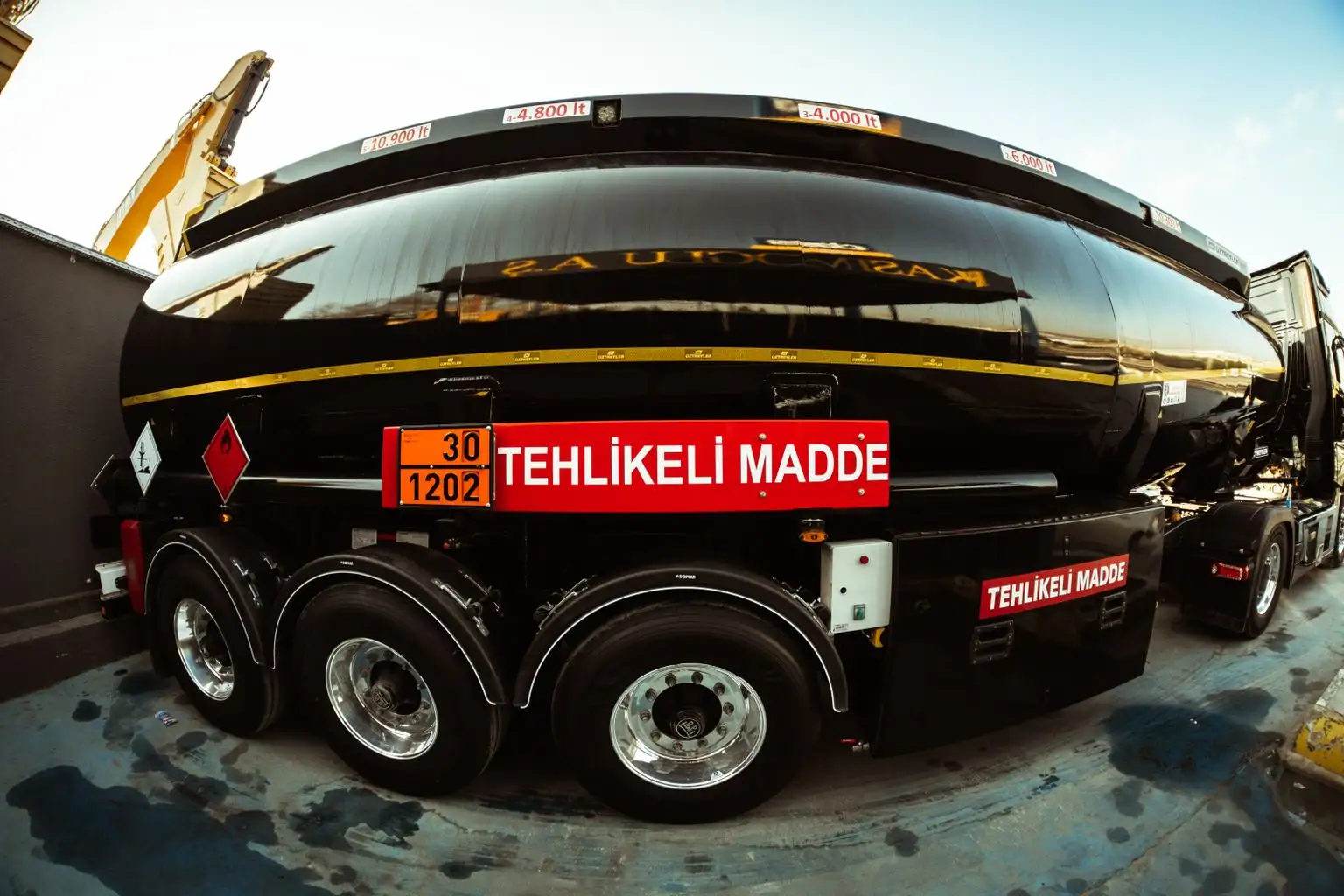
Restore usable diesel roadside and determine whether refueling alone is enough to restart the commercial truck.