Mobile service across North-Central WV · See coverage area →
Open Today · 5:00AM – 10:00PM · (304) 328-5638
Home / Truck Overheating Diagnosis
Truck overheating diagnosis in Morgantown, WV identifies why engine temperature is rising by comparing coolant level, temperature behavior, airflow, circulation, and other cooling-system evidence.


Commercial truck overheating is a symptom rather than a confirmed component failure. Low coolant, restricted circulation, inadequate radiator airflow, thermostat or water-pump problems, cooling-fan concerns, and other engine conditions can all raise coolant temperature. Even an inaccurate temperature signal can sometimes make the dashboard indicate a thermal problem that needs verification.
The useful starting point is what the driver actually observes. Whether temperature rises slowly, climbs under load, becomes worse at low speed, follows coolant loss, or remains high despite adequate coolant can help narrow the next diagnostic direction without automatically blaming the radiator.
The cooling system controls temperature by maintaining enough coolant, moving it through the engine, transferring heat through the radiator, and accurately reporting operating temperature. A problem in any one of those areas can create a high-temperature condition even when the other parts of the system remain serviceable. If the problem is broader than a temperature symptom and the failed cooling function is still uncertain, see cooling-system repair.

Low coolant reduces the fluid available to absorb and carry engine heat, making leakage or coolant loss one possible starting point for overheating.
Restricted passages, collapsed hoses, thermostat problems, or inadequate pump operation can limit coolant movement between the engine and the radiator cooling circuit.
Restricted cooling surfaces, inadequate fan operation, or insufficient airflow can reduce the radiator’s ability to release heat from the circulating coolant.
A sender, gauge, wiring, or monitoring problem can sometimes create an abnormal temperature indication that must be separated from confirmed engine overheating.

Mountaineer Truck & Tire Repair approaches mobile overheating diagnosis by starting with the temperature pattern instead of assuming that one cooling component has failed. The gauge behavior, warning information, coolant level, visible leakage, airflow conditions, and operating situation all provide evidence that can narrow the cause.
A high-temperature event can develop differently at idle, during highway travel, while pulling a load, or after coolant has been lost. Comparing those conditions helps separate a likely coolant-volume problem from circulation, heat-rejection, monitoring, or broader mechanical concerns.
Start with the gauge, warning, and whether the temperature change is gradual, sudden, repeated, or limited to a particular operating condition.
Compare coolant level, visible leakage, hose condition, radiator airflow, and other accessible signs with the temperature behavior reported by the driver.
Narrow the problem toward coolant loss, circulation, airflow, temperature control, indication, or another mechanical condition before selecting the repair path.
Truck overheating diagnosis in Morgantown, WV becomes more useful when the operating condition that triggers the temperature increase is considered alongside coolant level and other cooling evidence. A truck that runs hot only under load presents a different diagnostic pattern from one that overheats after coolant loss or remains hot at nearly every operating condition. When coolant loss is part of the event, repair a coolant leak through the service focused on locating the escape point.
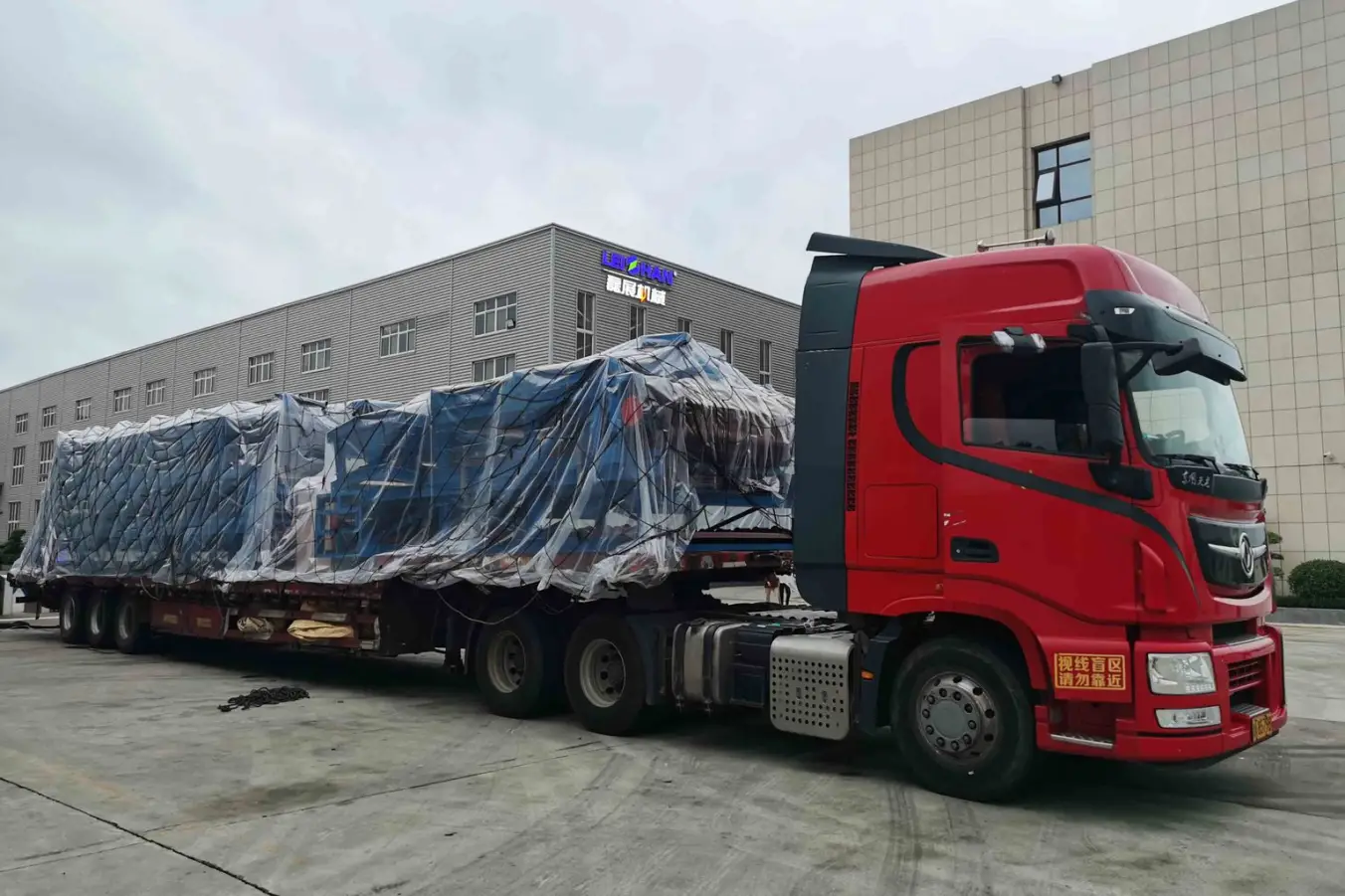
A temperature increase while climbing, hauling, or working harder can show that cooling capacity becomes inadequate as engine heat production rises.

Higher temperature during low-speed operation can make cooling-fan performance and radiator airflow more relevant because vehicle movement provides less natural airflow.
A falling reservoir level or known coolant leak creates a different thermal pattern because reduced coolant quantity can directly compromise heat transfer.

Persistent abnormal temperature despite adequate coolant shifts attention toward circulation, radiator airflow, thermostat operation, fan performance, or another engine condition.
Heavy-duty cooling diagnosis depends on comparing temperature behavior with physical cooling-system evidence. Cooling system diagnostics should follow what changes under actual operation rather than replacing components solely because they are commonly associated with overheating.
Determine when temperature rises, what the gauge or warning shows, and whether the condition develops at idle, under load, or repeatedly during operation.
Review coolant level, leakage, hose condition, radiator airflow, and other cooling clues that may explain the particular temperature pattern being reported.
Direct service toward coolant loss, circulation, airflow, temperature control, monitoring, or deeper mechanical diagnosis according to the evidence that remains.
Truck overheating diagnosis in Morgantown, WV can narrow many cooling-related causes, but some high-temperature conditions extend beyond a straightforward roadside component repair. A truck engine overheating service may uncover hose restriction, circulation faults, internal engine problems, or inaccurate temperature information that requires a different repair path.
When hose damage is established, fix radiator hoses through the component-specific repair service. When the problem extends beyond accessible cooling components, get mobile truck repair for the broader mechanical service path. A hot cooling system can also remain pressurized. Avoid opening a hot pressure cap simply to check coolant. If the disabled-truck condition is broader or the cause remains unclear, request roadside assistance.

A collapsed, restricted, or leaking coolant hose can affect circulation or coolant quantity and contribute to an abnormal engine-temperature condition.
A water-pump or thermostat problem can interfere with coolant movement or temperature regulation even when the system contains an adequate coolant level.
Internal coolant loss, combustion-related problems, or another deeper mechanical fault can produce overheating symptoms beyond ordinary external cooling-system repair.
A sender, gauge, wiring, or monitoring fault can make temperature information unreliable when the displayed condition does not match other cooling-system evidence.
Higher engine load produces more heat, so climbing, hauling, or sustained heavy operation can expose a cooling system that cannot reject heat fast enough. Coolant circulation, radiator airflow, fan operation, coolant quantity, or another condition may be involved. The load-related pattern helps narrow the cause but does not identify one failed component by itself.
Vehicle speed affects how much natural airflow passes through the cooling package. If temperature rises mainly at low speed, radiator airflow and fan performance become more relevant to engine overheating diagnosis. However, coolant circulation, radiator condition, and other cooling faults should still remain part of the evaluation.
Yes. Adequate coolant quantity does not prove that the system is circulating or rejecting heat correctly. Thermostat problems, radiator restriction, poor airflow, fan concerns, water-pump issues, trapped air, or another mechanical condition can raise coolant temperature even when the reservoir appears properly filled.
Yes. A coolant-temperature sensor, gauge, wiring, or related monitoring issue can sometimes create an abnormal reading that does not match actual cooling-system behavior. Temperature indication should therefore be compared with other evidence rather than assuming every high gauge reading automatically proves that the engine itself is overheating.
Semi truck overheating repair cost depends primarily on the actual cause. A coolant leak or damaged hose creates a different repair scope from a thermostat, airflow, water pump, monitoring, or deeper engine problem. Access, failed components, required diagnosis, and whether multiple cooling-system issues are present can also affect the work involved.
For roadside overheating repair, share when the temperature climbs, what the gauge or warning shows, the current coolant level, and whether the condition occurs at idle, under load, or during normal driving.
Identify why engine temperature is rising before choosing the cooling-system component or mechanical repair that should follow.