Mobile service across North-Central WV · See coverage area →
Open Today · 5:00AM – 10:00PM · (304) 328-5638
Home / DOT Brake Inspection
DOT brake inspection in Morgantown, WV supports commercial truck operators in addressing measured, visible, and functional brake defects that may create inspection or compliance concerns.
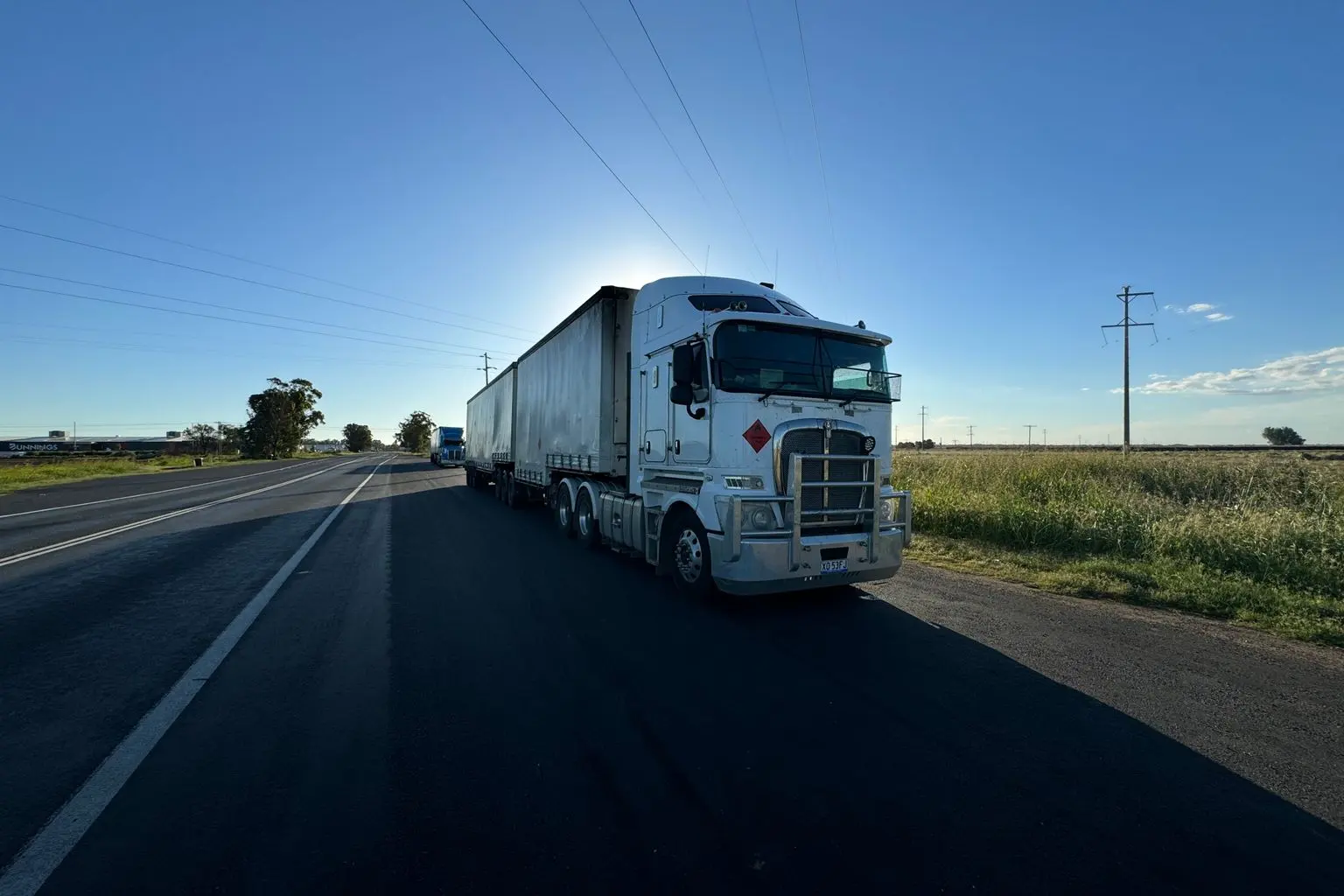
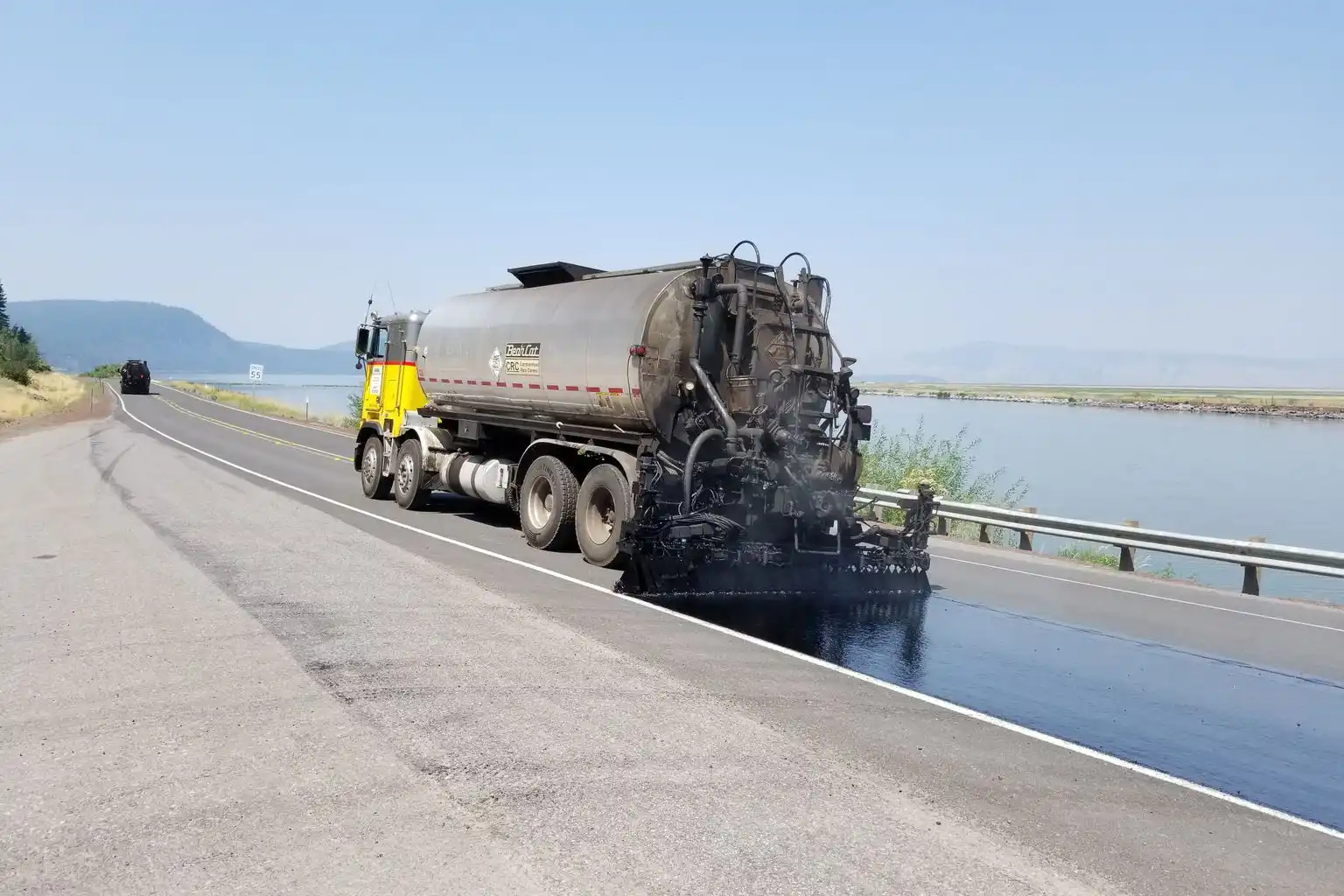
A commercial truck brake inspection considers more than whether the vehicle appears to stop normally. Brake operation, chamber travel, friction material, drums or rotors, hoses, tubing, mounting hardware, warning devices, and applicable ABS functions can each create an inspection concern when their condition falls outside the relevant standard.
The purpose of inspection-related brake service is to identify what condition was actually found and connect it with the correct repair. A measured stroke problem, damaged friction material, cracked drum, air-system defect, or ABS warning should not all be treated as the same brake issue.
DOT brake inspection in Morgantown, WV, becomes more useful when the finding is classified by the evidence behind it. Some brake defects are established through measurement, others through physical condition, and others through how a brake, warning device, or related system functions during inspection.

Applied pushrod stroke, lining thickness, and other dimensional conditions can create an inspection concern when the measured value falls outside the applicable requirement.
Broken components, damaged hoses, loose hardware, cracked drums, missing material, or contaminated friction surfaces can be identified through direct physical inspection.
Brake application, warning devices, automatic adjusters, air-system functions, and applicable ABS indicators can create concerns when they do not operate as required.
Several defective brakes or related system conditions can carry a different compliance consequence from one isolated maintenance issue at a single wheel end.
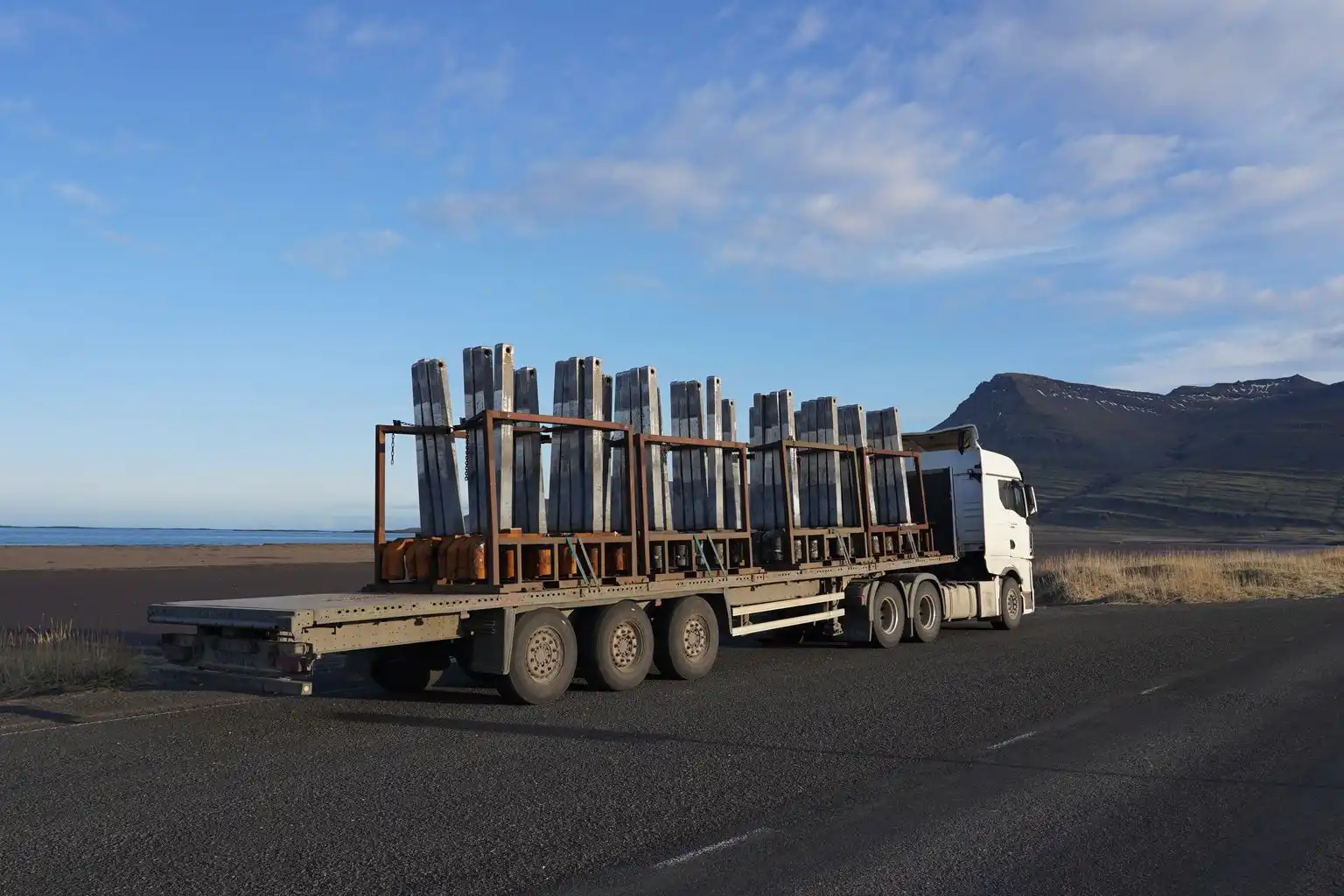
Mountaineer Truck & Tire Repair can support truck brake inspection concerns by working from the documented finding rather than repeating the entire brake-system diagnosis from the beginning. The inspection report, measured condition, affected wheel position, and observed defect provide the starting evidence for deciding what corrective service is relevant.
This service position is focused on evaluating and repairing brake concerns within the company’s verified capabilities. It should not be represented as official annual DOT inspection certification unless the required inspector qualifications and inspection authority are separately confirmed.
Start with the violation wording, measured condition, affected brake position, or reported component defect that created the inspection-related concern.
Confirm the component or measurable brake issue involved so corrective work is based on the actual finding rather than a general assumption.
Direct the finding toward adjustment, friction material, drum, ABS, or broader brake service according to what the inspection evidence identifies.
Inspection findings become more useful when they point directly toward the brake system or component requiring correction. Excessive stroke, deficient friction material, drum damage, and ABS-related findings belong to different service paths even though all can appear during a heavy-duty brake inspection. For a confirmed stroke concern, adjust air brakes through the service focused on excessive chamber travel. When friction material is the documented problem, replace brake shoes. For a drum-specific finding, repair brake drums. For an electronic anti-lock concern, diagnose ABS faults.


Applied pushrod travel beyond the applicable chamber limit creates an adjustment-related finding, but the underlying foundation-brake cause still needs attention.

Thin, loose, contaminated, missing, or otherwise deficient lining or pad material creates a repair path centered on the friction component itself.

Cracking, missing material, or another serious drum or rotor condition shifts corrective work toward the rotating braking surface at that wheel end.

An applicable ABS malfunction indicator or electronic anti-lock concern belongs to a diagnostic path separate from mechanical brake adjustment or friction replacement.
A truck brake compliance inspection can produce a measurement, defect description, warning indication, or wheel-end finding that still needs to be translated into corrective work. The service process should follow that evidence rather than replacing unrelated brake components.

Review the inspection report, affected brake position, measurement, warning indication, or component defect that triggered the compliance concern.
Confirm what is actually wrong at the relevant wheel end or brake-system area before defining the corrective work required.
Route the finding toward the specific brake service that addresses the documented defect instead of replacing unrelated components.
A brake defect that prevents a vehicle from meeting periodic inspection requirements is not automatically the same thing as an out-of-service condition. Inspection standards identify deficiencies that must be corrected, while out-of-service criteria address defects serious enough to restrict continued operation until the required condition is resolved. When a truck has a broader braking problem without a documented inspection finding, see truck brake repair for the system-level service path. Mountaineer Truck & Tire Repair should only be represented within its verified inspection-support and brake-repair capabilities.

A brake can fail an applicable periodic inspection requirement because of operation, measurement, component condition, mounting, leakage, or another defined deficiency.
An out-of-service determination depends on applicable criteria governing the type, severity, location, or combination of brake defects found during inspection.
One major brake criterion considers the percentage of defective brakes across the vehicle or combination rather than treating every individual finding identically.
Certain air-loss, hose, steering-axle brake, warning-system, or other brake defects can create serious compliance concerns independently of a percentage calculation.
A periodic inspection can identify excessive pushrod stroke, inadequate friction material, damaged drums or rotors, broken or missing brake components, air-system defects, hose or tubing problems, warning-device concerns, or applicable ABS issues. The specific result depends on the component condition and the inspection requirement involved.
Not automatically. An out-of-adjustment brake can be an inspection violation, but out-of-service status follows separate criteria that consider the type and severity of the defect and, in some cases, how many brakes on the vehicle or combination are considered defective.
The 20% criterion considers how many brakes on the vehicle or combination meet the applicable defective-brake definition. Reaching the specified percentage can create an out-of-service condition, but the rule should not be interpreted as the only brake defect capable of producing an out-of-service result.
Yes. Semi truck brake inspection findings can involve measured or visible defects that a driver may not notice from the cab. Excessive chamber stroke, inadequate lining, damaged hoses, loose hardware, cracked drums, or warning-system problems can exist even when the truck still appears to brake normally.
Not automatically. Roadside enforcement inspections and the required periodic inspection operate in different compliance contexts. Drivers and carriers should not assume that every violation-free roadside inspection satisfies the separate periodic inspection requirement unless the inspection qualifies under an accepted equivalent program or applicable rule.
For DOT brake inspection in Morgantown, WV support, provide the reported violation, affected brake position, measured pushrod stroke if available, and any lining, drum, air-system, or ABS finding. Roadside brake inspection details can help narrow the corrective service.
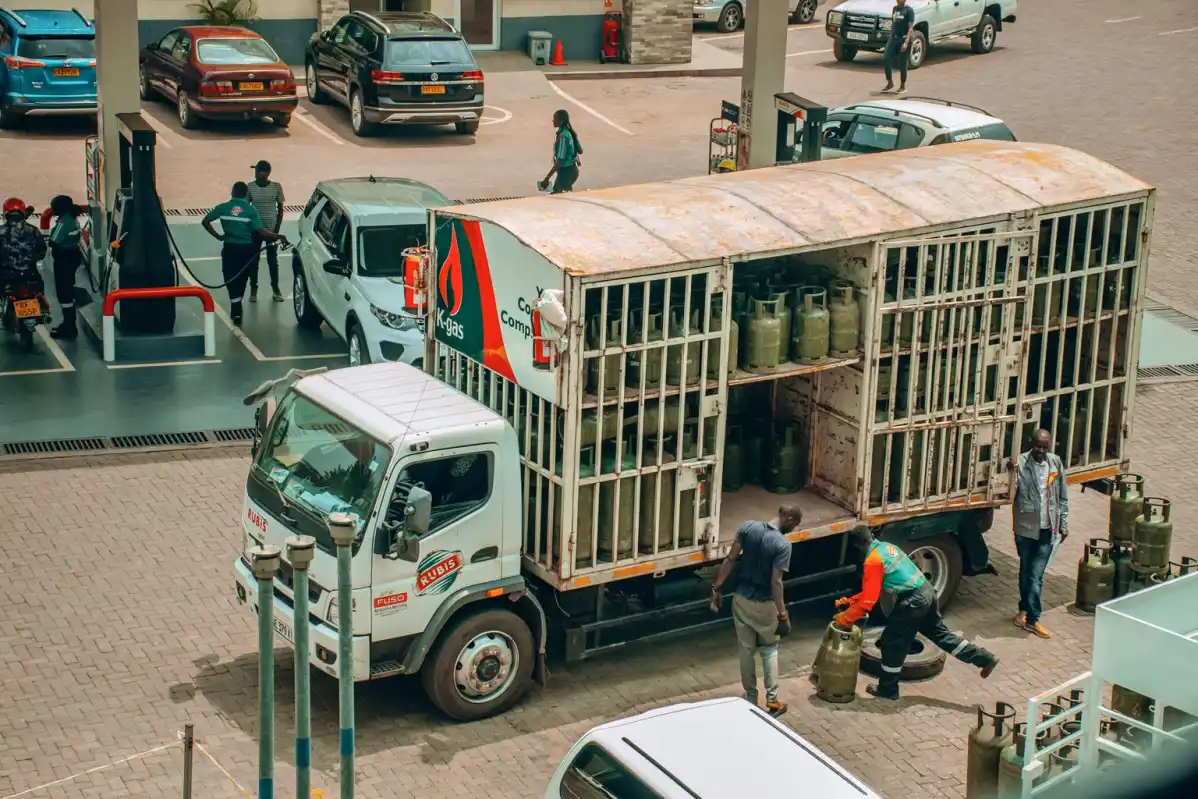
Match the inspection finding with the brake repair required to correct the documented condition.