Mobile service across North-Central WV · See coverage area →
Open Today · 5:00AM – 10:00PM · (304) 328-5638
Home / Truck Air Line Repair
Truck air line repair in Morgantown, WV addresses pressure loss by locating leaking hoses, fittings, couplings, or connections along the commercial tractor-trailer air path.
Compressed air travels through hoses, tubing, fittings, couplings, and tractor-trailer connections before the system can operate as intended. A leak at one point may appear as pressure that builds slowly, drops after building, produces an audible hiss, or changes when the trailer is connected. Those symptoms provide clues, but they do not automatically identify the failed component.
The purpose of air-line service is to isolate where pressure is escaping and determine what actually needs attention. A damaged hose, leaking fitting, connection problem, or brake-related air line requires a different repair path, so you must isolate the source before defining the scope.
The first sign of an air-system problem is often a change in pressure behavior rather than an obvious broken component. How quickly pressure builds, whether it holds, where air can be heard escaping, and whether visible line damage is present can help narrow the search before the actual failure point is isolated.

Pressure that falls after building can indicate leakage somewhere along a hose, fitting, connection, or another pressurized part of the air path.
Air pressure that takes unusually long to recover can signal a leak or another system condition requiring closer attention before continued operation.
A steady hiss can help narrow the affected area, although sound alone does not establish which fitting, hose, coupling, or connection has failed.
Chafing, cracking, kinking, abrasion, or other obvious hose damage can provide a more direct clue to where air pressure is being lost.
Mountaineer Truck & Tire Repair has served the Morgantown area since 1997 and provides mobile assistance for commercial truck and trailer air-line problems. The service stays focused on where pressure loss originates and which component belongs in the repair scope.
Truck air line repair in Morgantown, WV requires more than replacing the first hose that looks suspicious. Air loss can originate on the tractor, along a connecting hose, at the coupling between tractor and trailer, or farther into the trailer-side system. Tracing that path helps separate one possible failure point from another before repair begins.
Loss occurring before the trailer connection may involve tractor-side hoses, fittings, or lines that need to be distinguished from faults farther downstream.
Leaks at the tractor-trailer coupling can occur even when nearby hoses remain serviceable. Fix a damaged glad hand when the connection itself needs attention.
Pressure loss appearing beyond the coupling can direct attention toward trailer-side lines or connections rather than automatically treating the tractor as the source.
Air pressure loss can come from several parts of the system, and those failures should not be grouped into one generic repair. A damaged hose, brake-specific air line, leaking tractor-trailer coupling, or broader braking concern each creates a different service boundary once the source has been narrowed. Repair an air brake line when the pressure loss is isolated to brake-system air tubing or hose. For pressure problems tied to broader braking performance, check truck brakes rather than treating every symptom as an air-line-only issue.
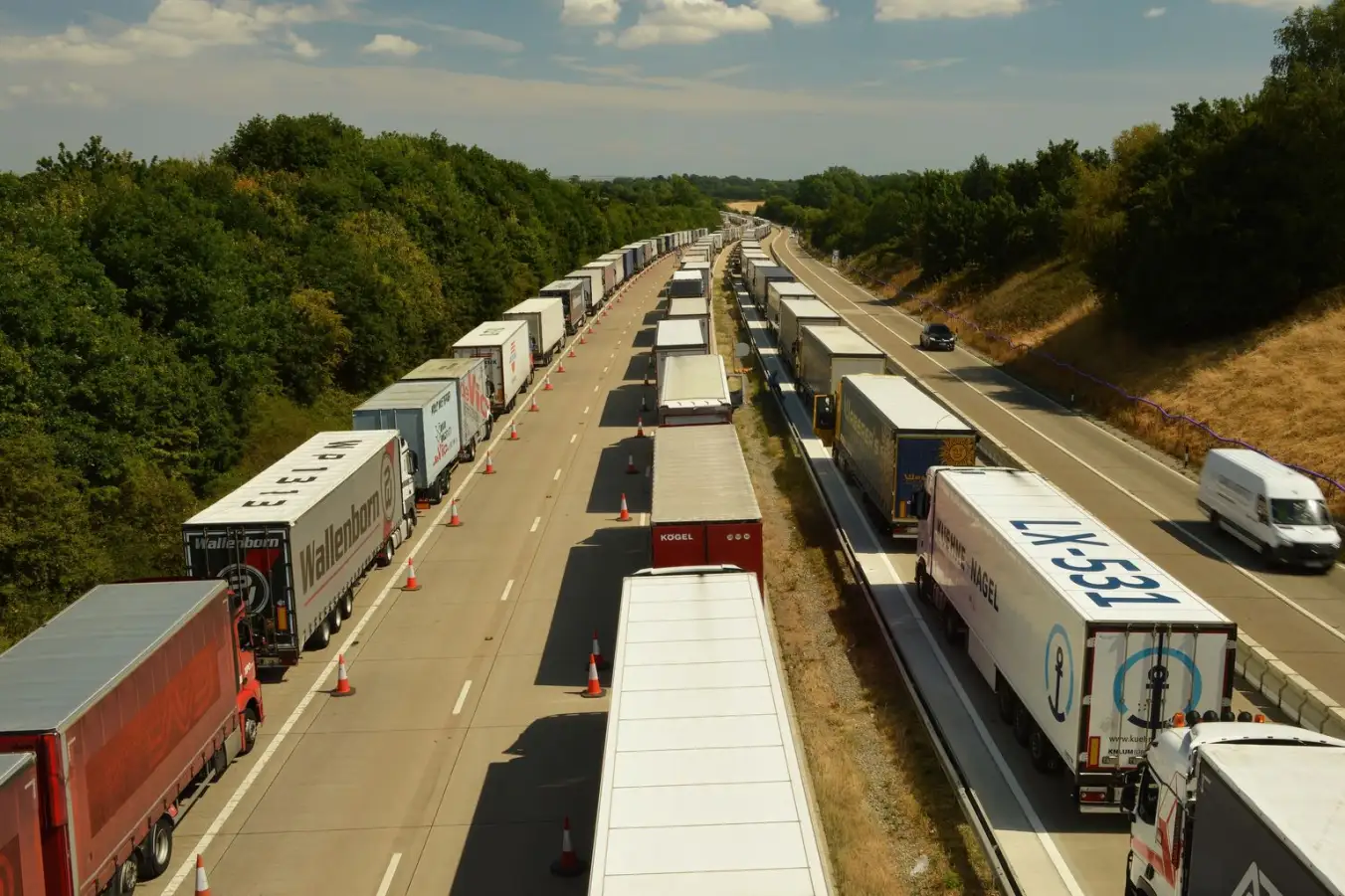

When a leak is isolated to a damaged hose or line section, the repair can remain centered on that component and the condition immediately surrounding it.
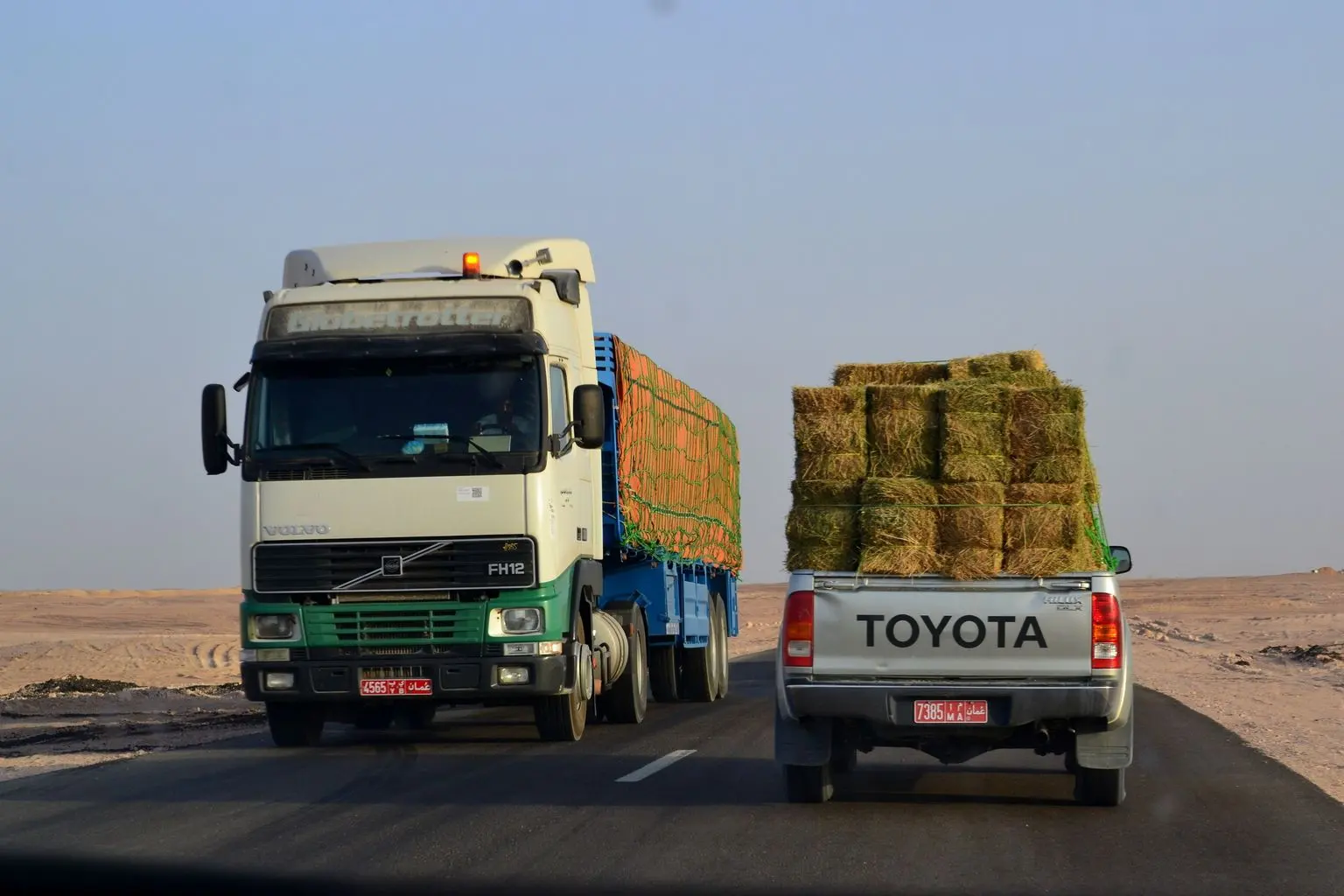
If the affected hose or tubing belongs specifically to the air-brake circuit, the work moves into a more specialized brake-line repair category.
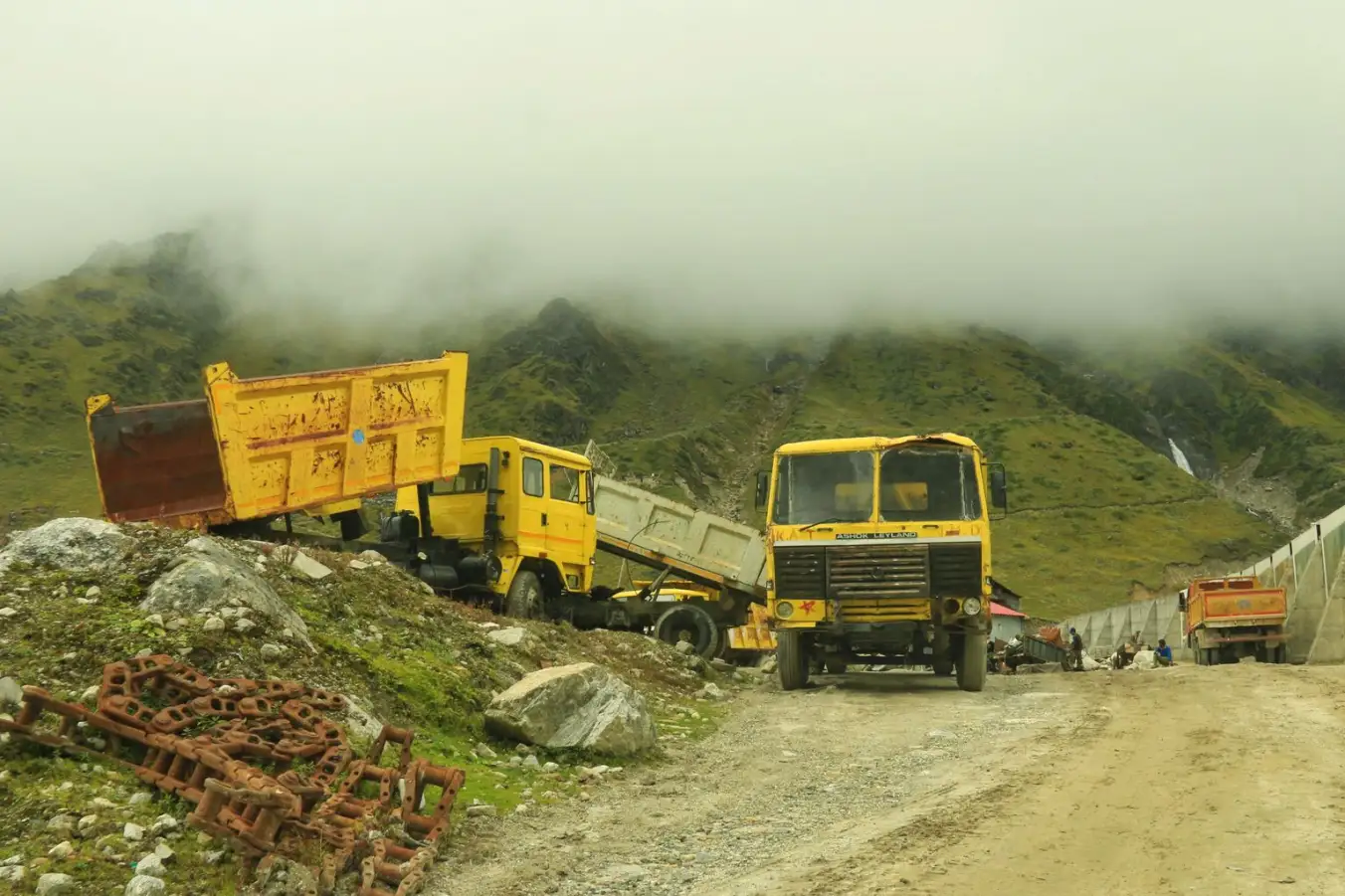
Leakage at the tractor-trailer coupling needs to be separated from hose damage because the connection may require its own repair or replacement approach.
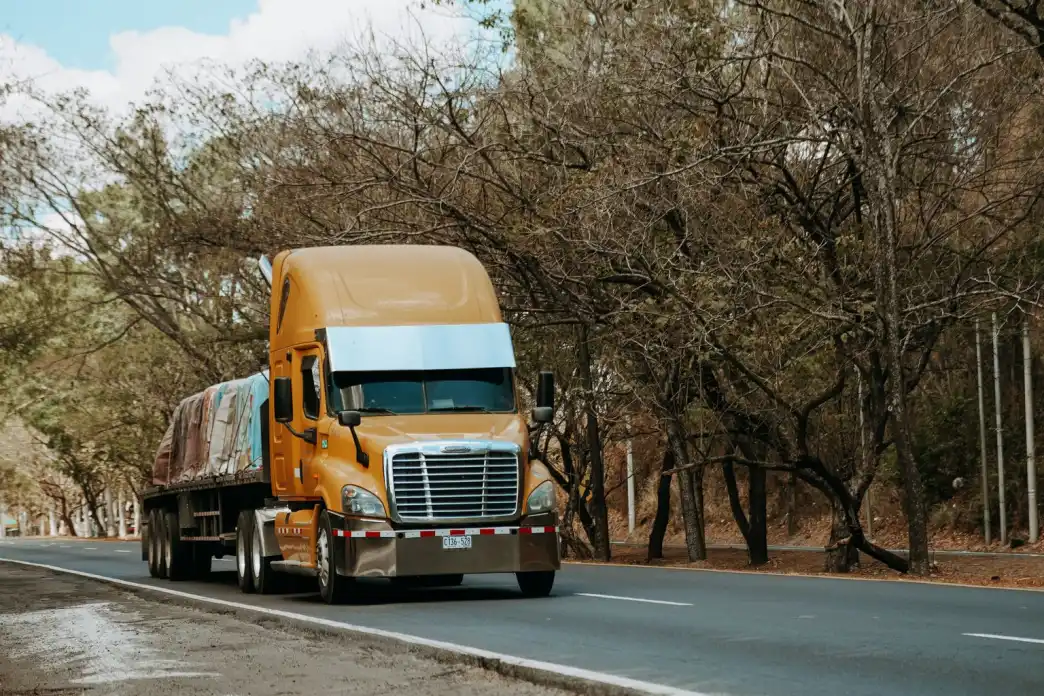
When air-pressure symptoms occur with a wider braking concern, the service need may extend beyond an isolated hose, fitting, or tractor-trailer connection.

Identify when and how the pressure loss appears.
Follow the pressurized route toward the suspected leak.
Separate the failed hose, fitting, or connection.
Define the work around the isolated air loss.
Air loss does not always come from a visibly split hose. Leakage can occur at fittings, couplings, tubing, seals, connections, or other pressurized components. The symptom may also change as system pressure increases. Tracing where pressure drops or where you can hear air escaping helps narrow the source.
A problem that appears after trailer connection can shift attention toward the coupling or trailer-side air path, although the source still needs to be isolated. Truck air line repair in Morgantown, WV can involve distinguishing tractor-side pressure loss from a connection or trailer-side problem before defining the repair.
Yes, when the leaking hose, tubing, or pressure loss is part of the air-brake system. Commercial air brakes depend on adequate system pressure, so a significant leak should not be treated as merely an inconvenient noise. The affected circuit and component need to be identified before the correct service path is determined.
A brake-system hose should not be treated as an ordinary utility hose. Commercial brake hoses, tubing, fittings, and connections are subject to equipment and safety requirements, and an improper repair can create additional problems. The damaged component should be evaluated so the repair method fits its actual application and condition.
Air-line repair is the more focused service when pressure loss has been traced to a hose, fitting, coupling, or related air connection. If the truck has a broader mechanical problem involving another system, get mobile truck repair so the service request matches the actual mechanical issue.
Share the truck or trailer location, whether air pressure builds and then falls, where a leak can be heard if known, and any visible hose or connection damage. Those details give Mountaineer Truck & Tire Repair useful clues before the pressure-loss source is isolated.

Get the pressure-loss source identified so the affected line, fitting, or connection receives the right service. If the vehicle has additional roadside needs beyond the air system, request roadside assistance for the broader breakdown.