Mobile service across North-Central WV · See coverage area →
Open Today · 5:00AM – 10:00PM · (304) 328-5638
Home / Semi Truck Tire Repair
Semi-truck tire repair in Morgantown, WV addresses damaged commercial tires by evaluating the affected position, visible condition, and appropriate repair path for the vehicle.
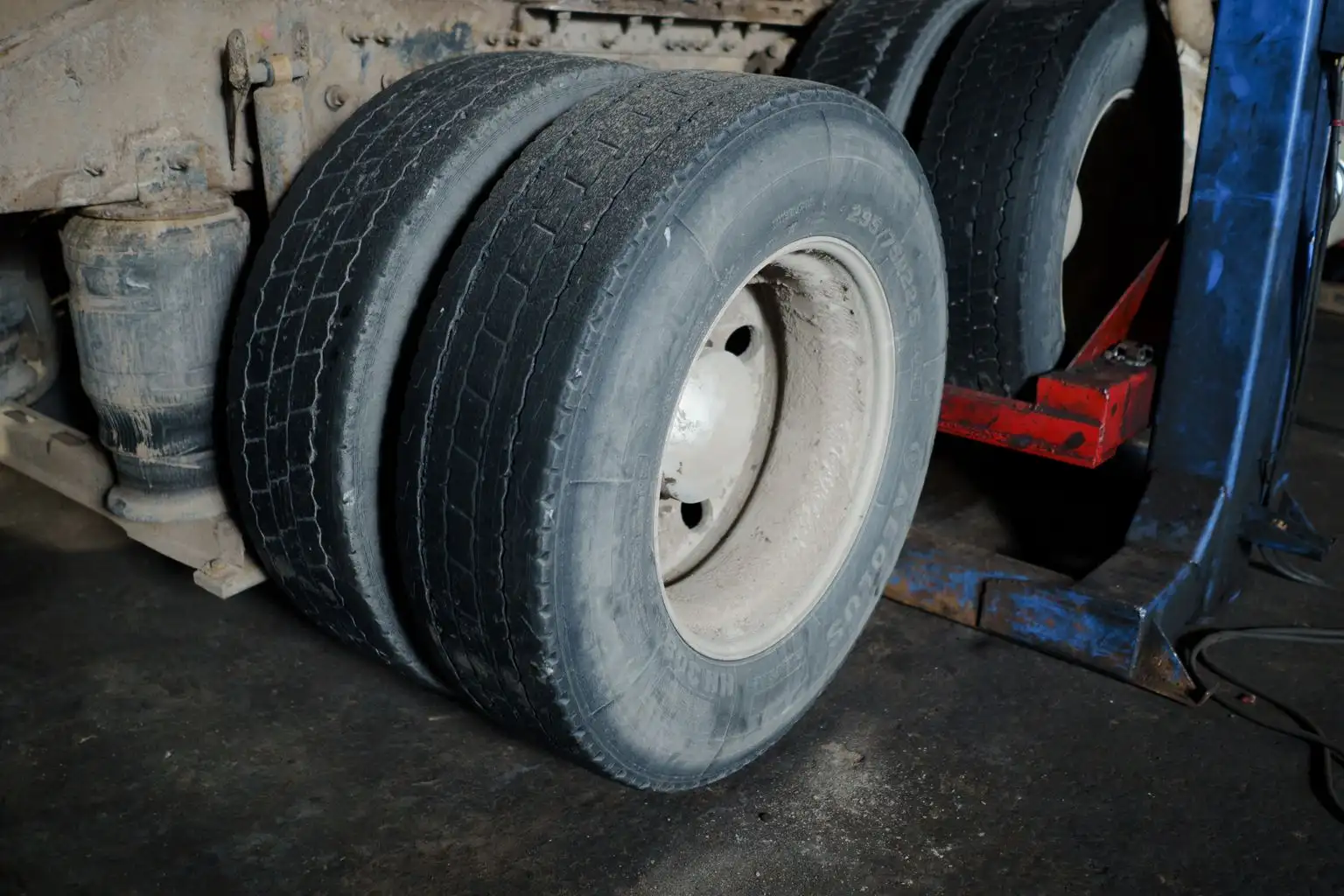

A commercial tire problem can begin with sudden air loss, a puncture, tread damage, visible casing concerns, or a more severe failure. The symptom alone doesn’t determine the right service. Tire position, damage location, overall condition, and the extent of the injury all influence whether a repair remains appropriate or another service is needed.
Mountaineer Truck & Tire Repair provides semi-truck tire repair in Morgantown, WV, with attention to the tire’s actual condition. Rather than treating every damaged tire the same way, the service distinguishes repairable problems from conditions that point toward replacement.
Two tires can lose air for completely different reasons. A localized puncture doesn’t raise the same service question as structural damage or a heavily compromised casing. Identifying where the injury occurred and how it affected the tire helps determine the right service path.

Localized tread-area punctures require evaluation of the injury and surrounding tire condition. Get flat-tire help for focused puncture and air-loss service.
Cuts, impact damage, unusual wear, or other tread concerns require more than simply restoring air pressure before continued tire service is considered.
The commercial tire casing affects overall serviceability, so visible structural damage or evidence of operation while underinflated can change the repair decision.
Major tire damage can move the service beyond ordinary repair. Replace a damaged truck tire when replacement is the right option.
Mountaineer Truck & Tire Repair has served the Morgantown area since 1997, handling commercial truck and trailer tire issues in mobile service situations. Commercial tire evaluation involves more than locating the damaged rubber. The tire’s position on the vehicle, its current condition, and the nature of the injury all provide useful context for deciding what service follows.
That condition-based approach keeps the tire problem separate from generic roadside work and avoids assuming every loss of air belongs in either the repair or replacement category before evaluating the tire.
Steer tires operate on the truck’s steering axle, so their position matters when assessing damage, condition, application, and the right service decision.
Drive-position tires involve their own operating application and load conditions, so repair decisions remain connected to the specific tire, damage, and serviceability found.
Wheel position provides context, but the tire itself still determines the service direction through its injury type, structural condition, and overall suitability for repair.
The practical value of tire evaluation is not simply finding a hole. It is determining what kind of failure occurred, how much of the tire has been affected, and which service path addresses the condition without confusing repairable damage with replacement-level problems.
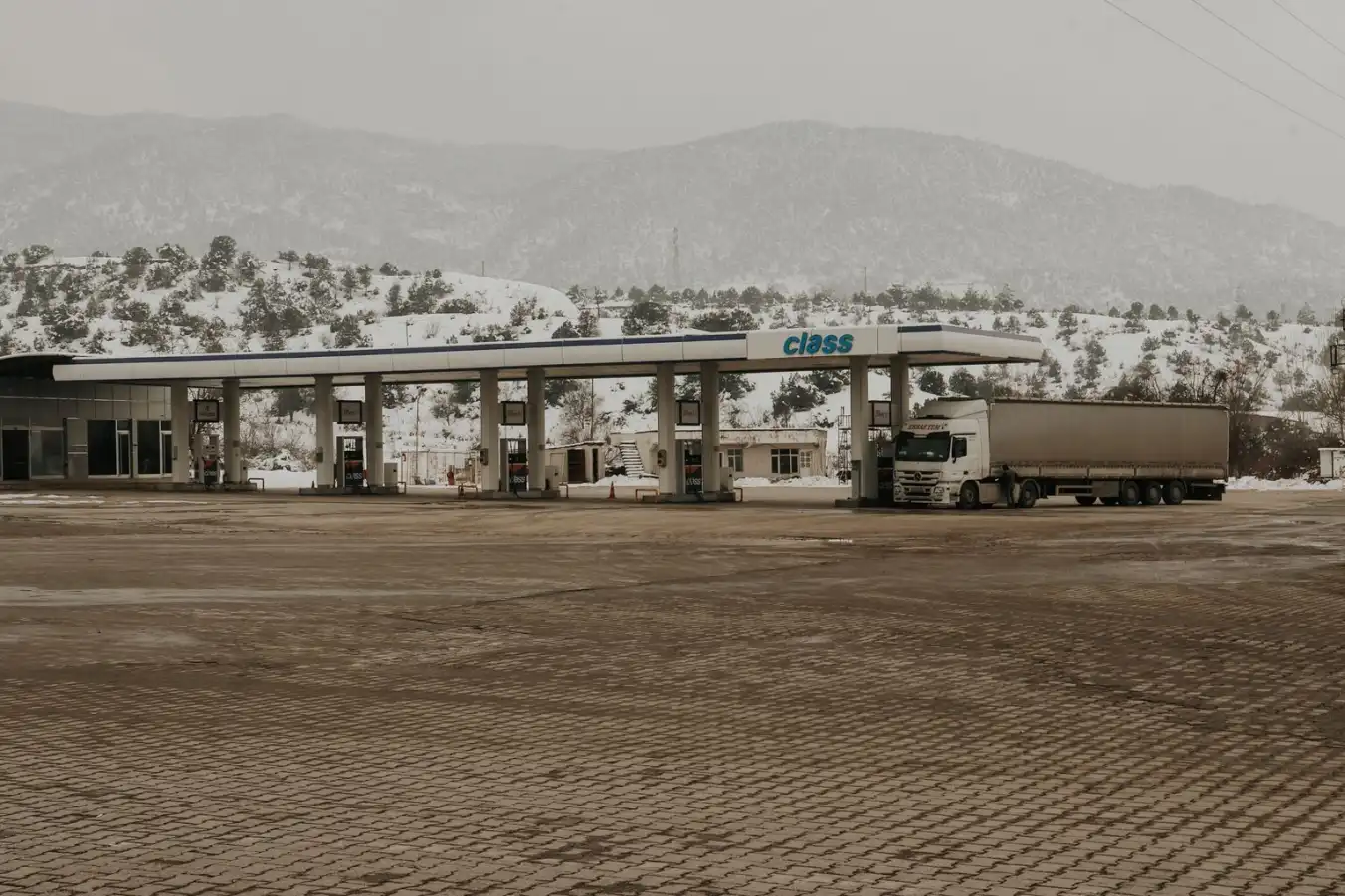
A condition-based evaluation keeps repair work centered on tire damage that remains appropriate for repair rather than treating every flat or pressure-loss complaint identically.

Damage that extends beyond an appropriate repair path can be recognized as a different service need, rather than repeatedly treating the tire as a simple puncture problem.
Knowing whether the affected tire sits at a steer or drive position adds useful commercial-vehicle context to the evaluation without allowing position alone to determine repairability.
Once the nature of the tire problem is understood, the driver or fleet contact has a clearer direction toward repair, replacement, or another tire-specific service.
First, locate the affected steer or drive tire.
Evaluate the visible injury and overall tire condition.
Determine which service fits the tire’s condition.
Complete the appropriate on-site tire service.
Complete air loss does not by itself determine whether a commercial tire remains repairable. The tire still needs evaluation because operating while severely underinflated or flat can cause additional damage that isn’t obvious from the outside. The injury, casing condition, application, and manufacturer repair limits all affect the decision.
Commercial truck tire repair rules differ from the simplified tread-only guidance commonly associated with passenger tires. Certain truck-tire injuries may be repairable under applicable commercial repair procedures, while structural damage can make a tire non-serviceable. Consider injury size, location, casing condition, application, and the tire manufacturer’s recommendations.
A major structural failure is very different from an ordinary puncture and frequently moves the service toward replacement. The remaining casing still needs evaluation because separations, exposed or damaged cords, run-flat damage, and other non-serviceable conditions can rule out repair. Mountaineer Truck & Tire Repair bases the next step on the tire condition found.
Yes. Tire position matters because steer and drive tires perform different jobs on a commercial truck. Position does not replace a condition assessment, however. Repairability still depends on the tire’s damage, casing condition, application, applicable repair guidance, and whether the tire remains serviceable.
Tractor and trailer tire problems should be routed to the service that matches the affected equipment. This page focuses on semi-truck tire positions. If the failed tire is mounted on the trailer, get trailer tire repair so the service request stays specific to that tire location.
For semi truck tire repair in Morgantown, WV, provide the truck’s location, affected wheel position, and visible tire condition. Those details help Mountaineer Truck & Tire Repair understand whether the request involves a flat, damage evaluation, or another tire-service need.
Need tire-specific help at the truck? See mobile truck tire service or request roadside assistance for a broader breakdown.