Mobile service across North-Central WV · See coverage area →
Open Today · 5:00AM – 10:00PM · (304) 328-5638
Home / Brake Drum Repair
Truck brake drum repair in Morgantown, WV addresses worn, cracked, heat-affected, or damaged commercial drums when the braking surface itself needs closer attention.
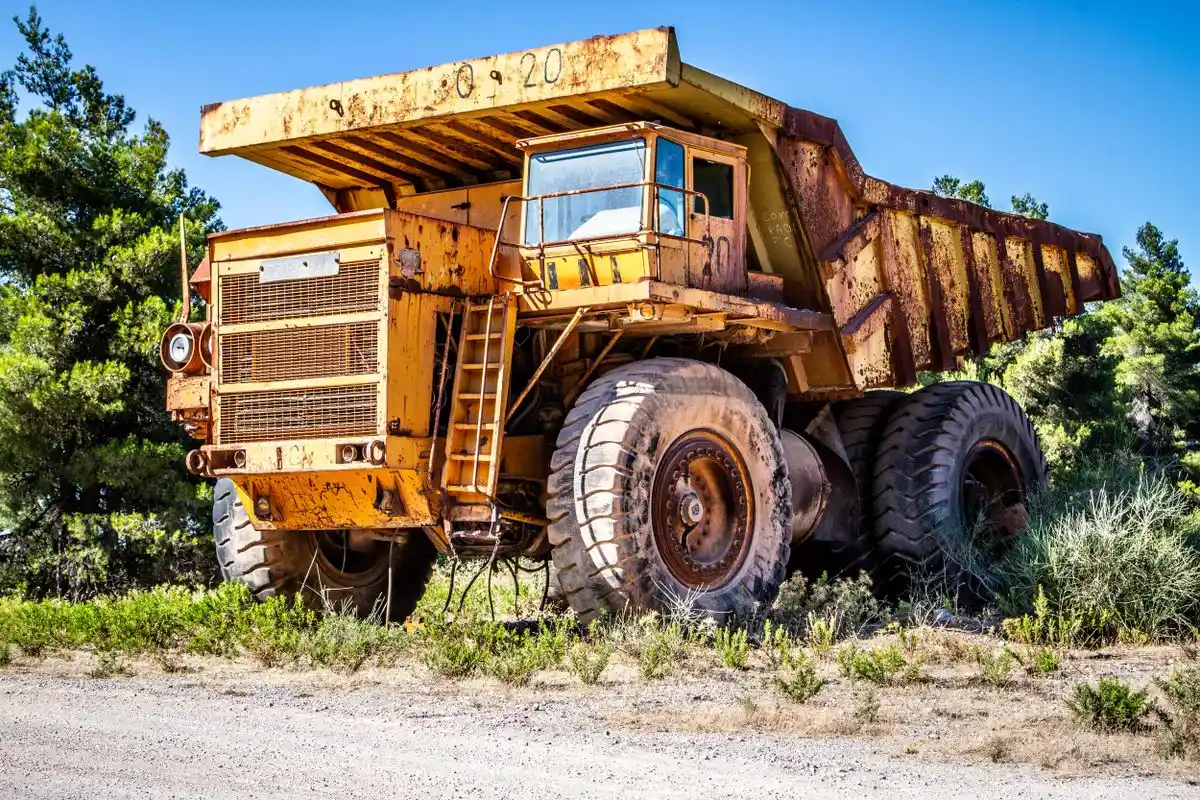

In an S-cam drum brake, the shoes move outward until their friction lining contacts the inside of the rotating drum. That internal surface has to provide consistent contact while handling the mechanical force and heat produced during braking. Damage to the drum therefore affects a different part of the wheel-end brake than worn shoe lining.
The drum also changes gradually through service. Repeated friction can alter its surface and dimensions, while heat cycles can leave visible marks or more serious structural damage. Evaluating a commercial drum means considering the condition of the braking surface, the drum body, and the wear already accumulated.
Every brake application converts vehicle motion into heat where the shoe lining contacts the rotating drum. Truck brake drum repair in Morgantown, WV may become necessary when repeated heating, cooling, and friction leave wear or damage that changes the drum’s working surface. Not every visible mark represents the same type or severity of condition.
Fine surface checks can develop from repeated thermal cycling. Their appearance and extent need to be distinguished from larger cracks affecting the drum’s structural condition.
A substantial crack through the drum body represents a different concern from superficial heat checking and can compromise the integrity of the rotating component.
Scoring, grooves, rough areas, or abnormal wear can change the surface the brake shoes contact and may indicate more than ordinary uniform use.
Broken sections or material separating from the drum indicate physical failure rather than gradual wear and place the drum itself at the center of the repair decision.

A brake drum does not wear in the same way as friction lining. As material is removed from the internal braking surface, the inside diameter gradually increases. A drum may therefore appear relatively smooth while still having accumulated enough dimensional wear that visual appearance alone cannot determine whether it remains suitable for continued service.
Commercial drums are designed with application-specific service limits. The relevant measurement has to be compared with the limit for that particular drum rather than applying one universal maximum diameter to every tractor or trailer wheel end.
Friction gradually removes material from the drum’s internal surface, increasing its diameter and changing the geometry against which the brake shoes operate.
The acceptable wear limit depends on the drum specification, making manufacturer information more meaningful than a generic diameter applied across different commercial brake assemblies.
Cracks and surface defects may be visible, but dimensional wear requires measurement when determining whether a drum remains within its applicable service range.
Brake shoes and drums function as a friction pair. New lining cannot correct a structurally damaged or excessively worn drum, while a serviceable drum cannot compensate for defective shoes or poor brake adjustment. The condition of the contact surface matters because both components must work together whenever the foundation brake applies. If the friction material itself is worn or damaged, replace brake shoes rather than assuming drum work will correct the lining condition. When brake travel is the main concern, adjust air brakes through the service dedicated to that operating condition.

The inside drum surface receives the brake lining during every application. Irregular wear, grooves, or damage can alter the condition of that contact interface.

The drum repeatedly absorbs heat generated by friction and releases it between brake applications. Thermal history can therefore leave evidence on both the surface and structure.

A serviceable or replaced drum does not automatically correct excessive pushrod travel or another adjustment issue affecting how the foundation brake applies.

Mountaineer Truck & Tire Repair considers the drum within the wheel end it operates in. Contamination, damaged hardware, abnormal shoe contact, or another surrounding condition can change what needs attention.

Look for cracking, scoring, wear, and visible damage.
Separate superficial heat checking from structural failure.
Compare drum wear with the applicable specification.
Determine what the measured drum condition requires.
Not necessarily. Fine heat-check marks can develop on a drum surface after repeated heating and cooling, while a larger structural crack is a different condition. The length, depth, location, and character of the cracking matter, so visible marks should be evaluated rather than all being treated as identical damage.
Drum serviceability cannot be judged only by appearance. Wear increases the inside diameter of the drum, so the measured dimension needs to remain within the applicable limit for that particular component. If drum condition is being reviewed as part of a broader compliance check, book brake inspection.
Yes, when the drum itself remains serviceable. Shoe and drum condition are separate decisions even though the two components work together. A usable drum does not automatically require replacement with every set of shoes, while a cracked, damaged, or excessively worn drum cannot be corrected simply by installing new friction material.
Uneven drum condition can reflect differences in shoe contact, brake adjustment, contamination, wheel-end hardware, braking contribution, or other operating conditions at that position. The visible wear pattern can provide useful clues, but it should not be used by itself to assign one specific cause without examining the surrounding brake components.
Truck brake drum repair in Morgantown, WV can vary with the affected axle or wheel position, drum application, actual damage, dimensional wear, whether replacement is required, shoe condition, related hardware, and access to the assembly. The final scope depends on what is found at that wheel end rather than one fixed drum-service price.
Share the truck or trailer location, affected wheel position, visible cracking or surface damage, any known drum measurement, and whether shoe wear or another inspection issue was already identified. Mountaineer Truck & Tire Repair can use those details to understand the wheel-end concern.

Determine whether the drum’s surface, structure, and dimensions remain suitable for continued commercial brake service. If the braking problem has not been narrowed to the drum, see truck brake service for the broader brake-system path. For a separate mechanical issue outside the brake system, get mobile truck repair.