Mobile service across North-Central WV · See coverage area →
Open Today · 5:00 AM–10:00 PM · (304) 328-5638
Home / Truck Repair Services / Semi Truck Flat Tire Repair
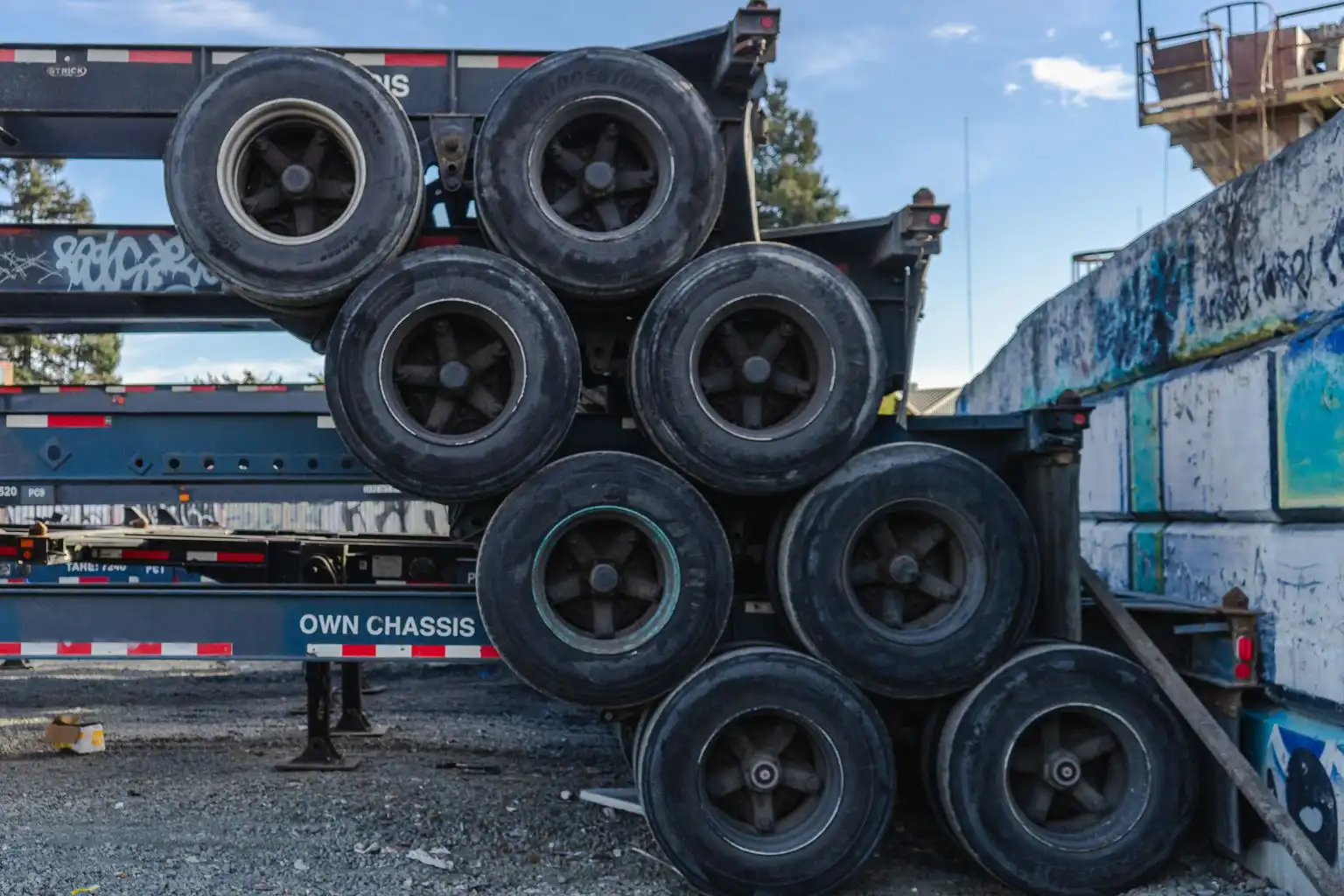
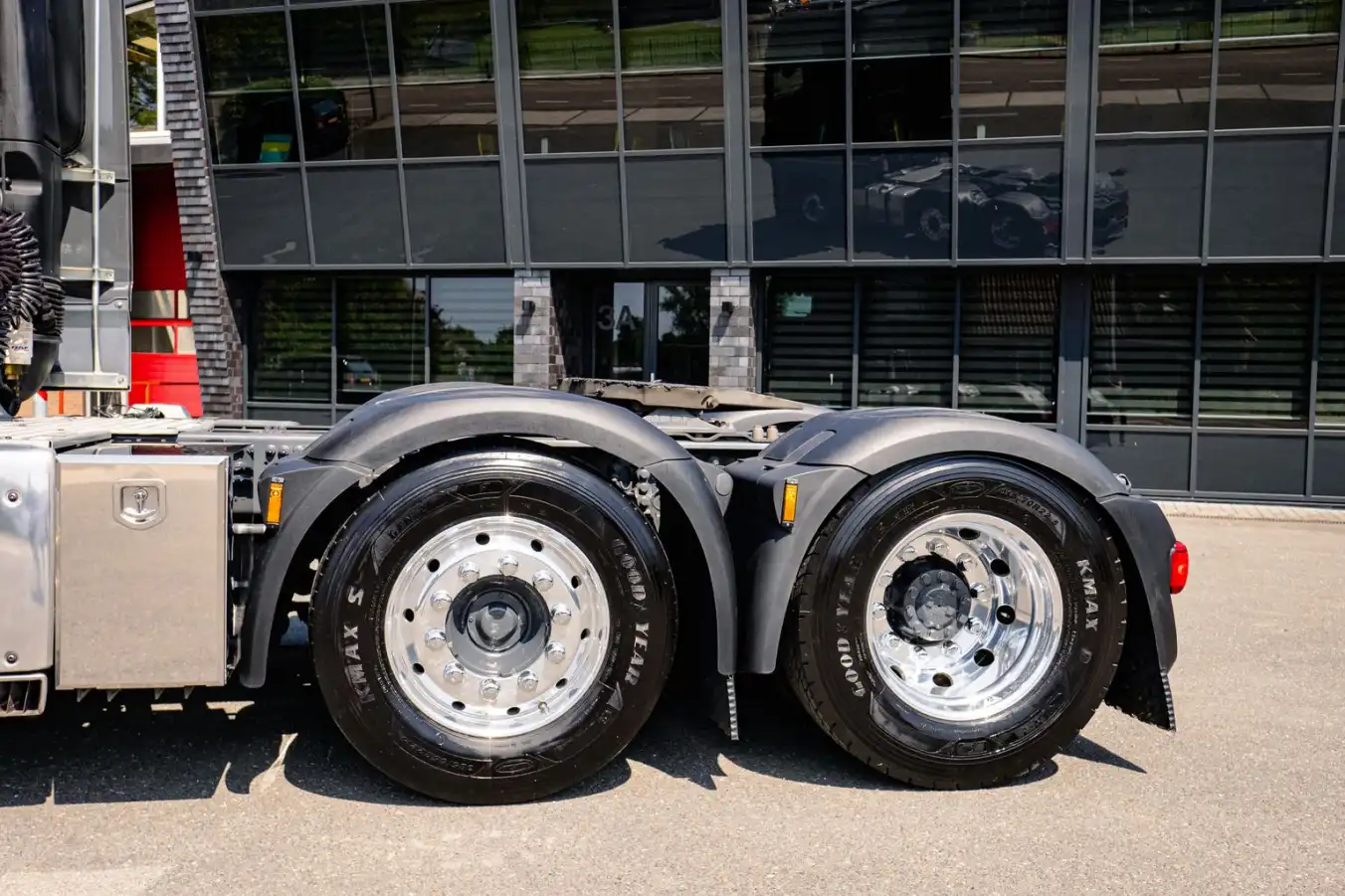
Semi truck flat tire repair in Morgantown, WV addresses punctures and pressure loss by identifying the cause and determining whether the commercial tire is still repairable.
A commercial truck tire can lose pressure because of a puncture, impact damage, leakage, or another condition affecting its ability to hold air. Restoring pressure alone does not explain why the tire went flat or whether additional damage developed while it was underinflated. You need to evaluate the tire before choosing a service path.
Mountaineer Truck & Tire Repair provides semi truck flat tire repair in Morgantown, WV by focusing on the source of air loss, visible tire condition, and signs that could affect repairability. The goal is to distinguish an appropriate puncture repair from a tire condition that requires replacement.
A flat does not always come from one obvious puncture. The tire may lose air suddenly or gradually, and the cause affects what happens next. Identifying the source of pressure loss keeps the service focused on the actual tire problem rather than simply treating the low-pressure symptom.
A localized tread injury can cause steady or rapid air loss, but the surrounding tire condition still matters before you consider repair.
Pressure can escape without dramatic visible damage, so identifying the leak source matters when choosing the right tire service.
Road impact can affect more than inflation pressure, especially when the tire shows cuts, deformation, or other visible signs beyond a simple puncture.
Operating while severely underinflated or flat can create additional tire damage that may not be obvious from the original point of air loss.
A small visible puncture does not automatically mean the tire remains suitable for repair. Injury location, severity, casing condition, evidence of operation while flat, and overall tire condition all factor into the decision. Commercial tire repair should stay within limits appropriate to the tire and the damage found.
Serving the Morgantown area since 1997, Mountaineer Truck & Tire Repair keeps the repair decision tied to the tire's condition rather than assuming every flat should receive the same treatment.
Where the damage occurred on the tire helps determine which repair procedure, if any, may be appropriate for the affected commercial tire.
Visible or internal structural damage can change the service direction even when the original puncture or leak appears limited from the outside.
The size, type, and extent of the injury influence whether repair remains reasonable or the tire should move toward replacement.
The goal of flat tire service isn't simply to restore inflation. A useful repair decision determines why the tire lost air, whether additional damage occurred, and whether the casing remains suitable for continued service before choosing between repair and replacement.
Locating the source of pressure loss gives the service a clear starting point and helps distinguish a puncture from other inflation issues.
A tire that has operated at very low pressure may develop damage beyond the visible injury, so assessing the full tire condition matters before repair.
Keep repairs limited to conditions suitable for that service, rather than extending a puncture repair to damage that requires another solution.
Once the tire condition is understood, the driver or fleet contact can move toward repair or replacement with a clearer reason.
Repair appropriately or redirect replacement-level damage.
Carefully check damage and overall tire serviceability.
Determine where the tire is losing pressure.
First, identify the affected tractor wheel position.
Possibly, but driving on a flat or severely underinflated commercial tire can create additional structural damage that is not obvious from the original puncture. The tire should be evaluated for casing condition, visible injury, and signs of run-flat damage before anyone assumes a repair remains appropriate.
No. The object that caused the puncture does not determine repairability on its own. The injury location, size, angle, tire condition, previous damage, and casing condition all matter. A seemingly small puncture can still require a different service if the surrounding tire has been compromised.
Adding air does not correct the source of pressure loss or confirm that the tire remains serviceable. If the tire has been operated underinflated, it may already have additional damage. Identify the cause of the leak and the tire's condition before continuing operation, as appropriate.
A flat describes loss of inflation and can result from several different causes. A blowout generally involves a more sudden and significant tire failure that may include structural damage. A blowout therefore should not automatically be approached as an ordinary puncture repair without evaluating the remaining tire condition.
Replacement becomes the appropriate path when the tire's damage, casing condition, or evidence of operation while flat places it outside a suitable repair scope. Severe structural damage and other non-serviceable conditions require a different solution. Replace a damaged truck tire when replacement is needed.
For semi truck flat tire repair in Morgantown, WV, provide the truck's location, affected wheel position, visible damage, and whether the tire lost pressure suddenly or gradually. Mention whether the truck was driven after the pressure loss, as that can provide useful service context.
Need broader tire help? See all semi-truck tire repair or use mobile tire service for tire-specific mobile support. For broader breakdown needs, get roadside assistance or find service areas for current coverage information.