Mobile service across North-Central WV · See coverage area →
Open Today · 5:00AM – 10:00PM · (304) 328-5638
Home / Truck Cooling System Repair
Truck cooling system repair in Morgantown, WV addresses coolant loss, abnormal engine temperature, radiator and hose problems, and other failures affecting heat control in commercial trucks.
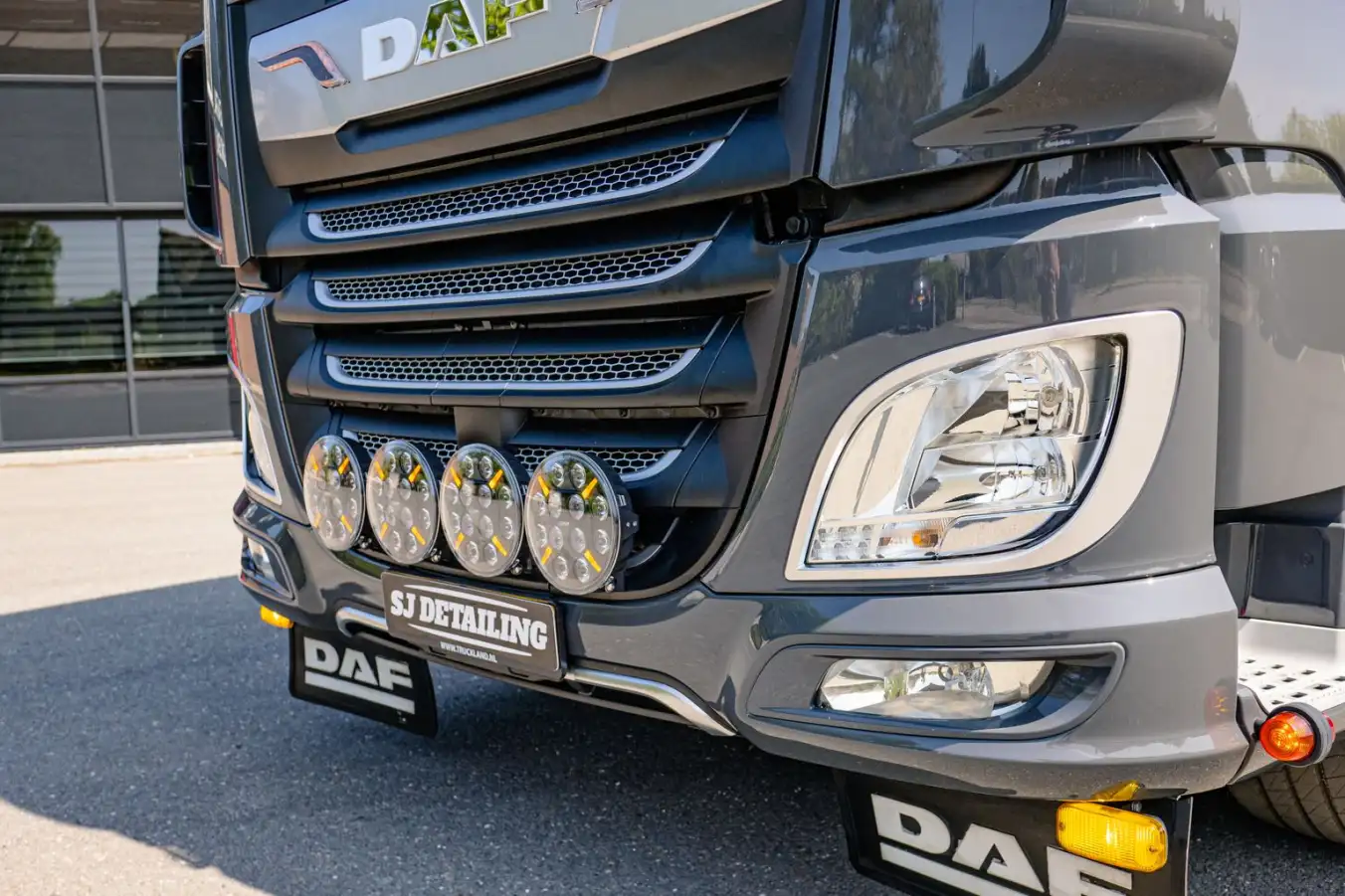
A heavy-duty cooling system has to retain coolant, move it through the engine, transfer accumulated heat through the radiator, and regulate operating temperature. A problem in any of those functions can show up as rising temperature, coolant loss, visible leakage, steam, warning messages, or repeated need to add coolant.
Semi truck cooling system repair should therefore start with the condition the driver can actually observe rather than assuming that overheating automatically means a bad radiator or that coolant loss always comes from a hose. The same symptom can develop from several different parts of the cooling circuit.
The cooling system works as a connected thermal circuit. Coolant has to stay contained, circulate through the engine, release heat through the radiator and airflow, and respond correctly to temperature changes. Looking at those functions separately helps narrow the failure without treating every cooling complaint as the same repair.
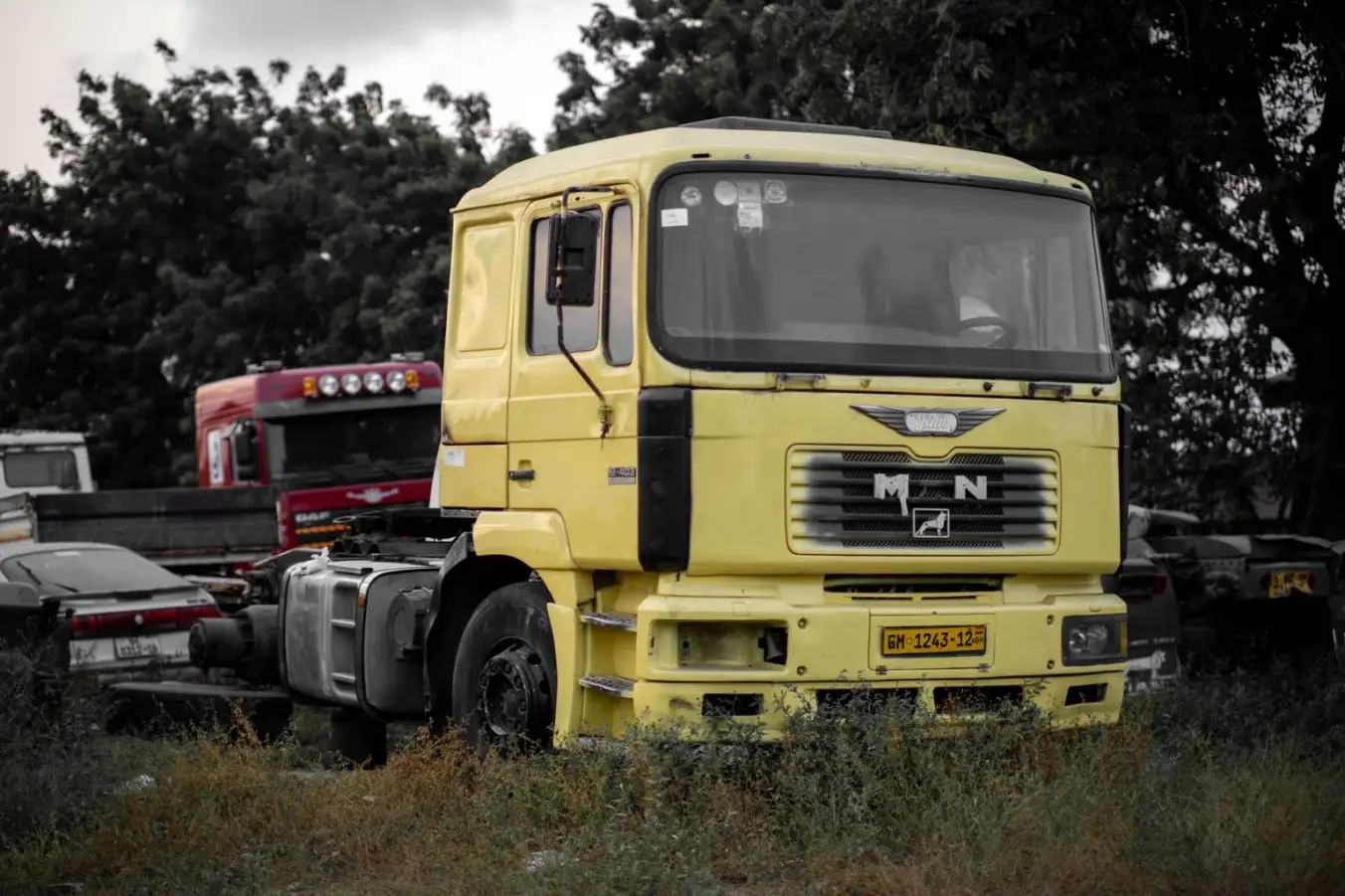
The system must retain enough coolant under operating pressure. Leakage from hoses, connections, radiator areas, seals, or other components can reduce usable coolant volume.
The water pump and coolant passages must keep fluid moving through the engine so absorbed heat can travel toward the radiator for removal.
The radiator, cooling fan, and available airflow must transfer heat from the circulating coolant into surrounding air without excessive restriction or obstruction.
The thermostat helps control coolant flow according to engine temperature so the system can maintain an appropriate operating range under changing load conditions.
Mountaineer Truck & Tire Repair approaches truck cooling system repair in Morgantown, WV by starting with the reported symptom and narrowing down which cooling function is no longer working correctly. That may lead to a leak, damaged hose, radiator concern, circulation problem, temperature-control issue, or another mechanical condition affecting engine cooling.
Mobile truck coolant repair is most useful when the service path matches the actual condition. The goal is not to replace unrelated cooling parts, but to connect coolant loss, temperature behavior, visible damage, or pressure-related symptoms with the system area that needs attention.
Service starts with what changed, such as coolant loss, visible leakage, abnormal temperature, steam, warning information, or repeated coolant addition.
The reported condition is narrowed toward containment, circulation, heat rejection, temperature regulation, or another mechanical problem influencing cooling performance.
Once the affected area becomes clearer, service can move toward the specific leak, radiator, hose, overheating, or broader mechanical repair needed.
A cooling-system symptom is useful because it determines where the next service should focus. Visible coolant loss, known hose damage, unexplained overheating, and a broader engine problem do not belong on the same repair path even though each can affect engine temperature. For a confirmed or suspected leak, repair a coolant leak through the service focused specifically on coolant escape.
When the damaged component is already apparent, fix radiator or coolant hoses. When temperature is the main symptom, diagnose truck overheating rather than assuming the radiator is responsible. If the condition moves beyond the cooling-system service scope, get mobile truck repair.
Repeated coolant loss or visible wetness points toward a containment problem that needs the leak source narrowed before unrelated components are replaced.

Known hose deterioration, connection leakage, or radiator-related damage moves the repair toward the external components responsible for carrying and cooling the coolant.
High coolant temperature without a confirmed failed component requires a diagnostic path that considers circulation, airflow, thermostat operation, coolant level, and other causes.
A truck can show cooling symptoms while the underlying issue involves a broader engine or mechanical condition that exceeds a roadside coolant-focused repair.
Determine whether the primary complaint is coolant loss, abnormal temperature, visible component damage, pressure-related behavior, or another change in cooling-system operation.
Connect the reported symptom with coolant containment, circulation, heat rejection, temperature regulation, or a mechanical problem outside the immediate cooling circuit.
Direct the truck toward the component repair or diagnostic service supported by the condition instead of replacing cooling-system parts without a clear reason.
Truck cooling system repair in Morgantown, WV can address many external cooling concerns, but persistent overheating, internal coolant loss, circulation problems, or deeper engine conditions can require service beyond a straightforward roadside repair. Recognizing that boundary helps keep a coolant symptom from being treated as proof of one failed component. When the disabled truck has several symptoms, and the cause is still unclear, request immediate roadside assistance for the broader roadside service path.
Coolant can disappear without leaving an obvious external puddle. When visible hoses, connections, and radiator areas do not explain the loss, deeper diagnosis may be required.
Leakage near the pump or poor circulation can make the water pump relevant, but those symptoms should be confirmed before the pump is treated as failed.
A truck can continue running hot with adequate coolant when airflow, thermostat operation, circulation, fan function, restriction, or another engine condition remains unresolved.
An operating cooling system can retain significant heat and pressure. Hot coolant should not be treated like a cold refill situation during roadside evaluation.
Coolant loss without a large visible puddle can come from a small external leak that appears mainly under pressure, leakage around connections or components, or a condition that is not easily visible during a quick roadside check. Repeated coolant loss should be traced rather than managed only by continuing to refill the system.
Yes. Adequate coolant level does not prove that coolant is circulating or releasing heat correctly. Thermostat problems, restricted radiator airflow, cooling-fan concerns, water-pump issues, trapped air, or other circulation and engine conditions can raise temperature even when the system contains the expected amount of coolant.
Visible wetness, split hose material, leaking connections, or obvious radiator damage can narrow the likely source, but coolant can travel away from where it originally escapes. A commercial truck coolant service should identify the actual leak area before the hose or radiator is assumed to be the failed component.
Possible signs can include coolant leakage around the pump area, abnormal temperature behavior, or symptoms suggesting inadequate circulation. Those conditions are not exclusive to the water pump, however. Thermostat, radiator, airflow, coolant-level, and other cooling-system problems can produce similar symptoms and should remain part of the diagnosis.
Continuing to operate with abnormal coolant temperature can allow the original cooling problem to become more severe. Drivers should follow the engine and vehicle manufacturer’s warning or shutdown guidance and avoid assuming that adding coolant alone makes continued operation appropriate when temperature continues climbing.
Share the coolant level, temperature warning, visible leak or damaged component, and the truck’s current location. Mountaineer Truck & Tire Repair can use those details to identify the most relevant roadside cooling-service path.

Get the cooling problem narrowed down before continuing coolant loss or abnormal temperature creates a larger mechanical issue.